Sensor-Based Sorting for Low-Grade or Marginal Ore Bodies
# Sensor-Based Sorting for Low-Grade or Marginal Ore Bodies
## Introduction As mining companies face declining ore grades, increasing operating costs, and growing environmental pressures, the economic extraction of low-grade and marginal ore bodies has become a significant challenge.
Traditional processing methods often require the entire ore stream to be crushed, ground, and processed, resulting in high energy consumption, excessive water usage, and increased tailings production.
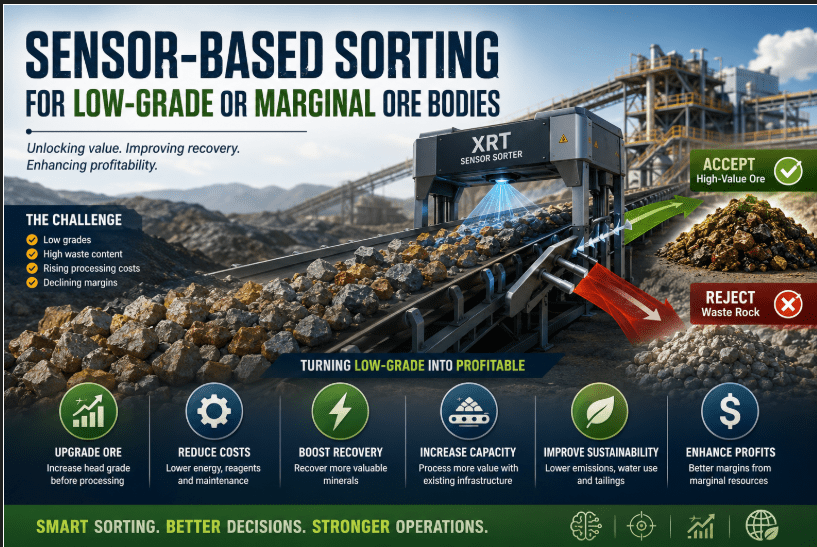
Sensor-based ore sorting offers an innovative solution by identifying and rejecting waste rock before it enters the downstream processing circuit, thereby upgrading the feed and reducing processing costs.
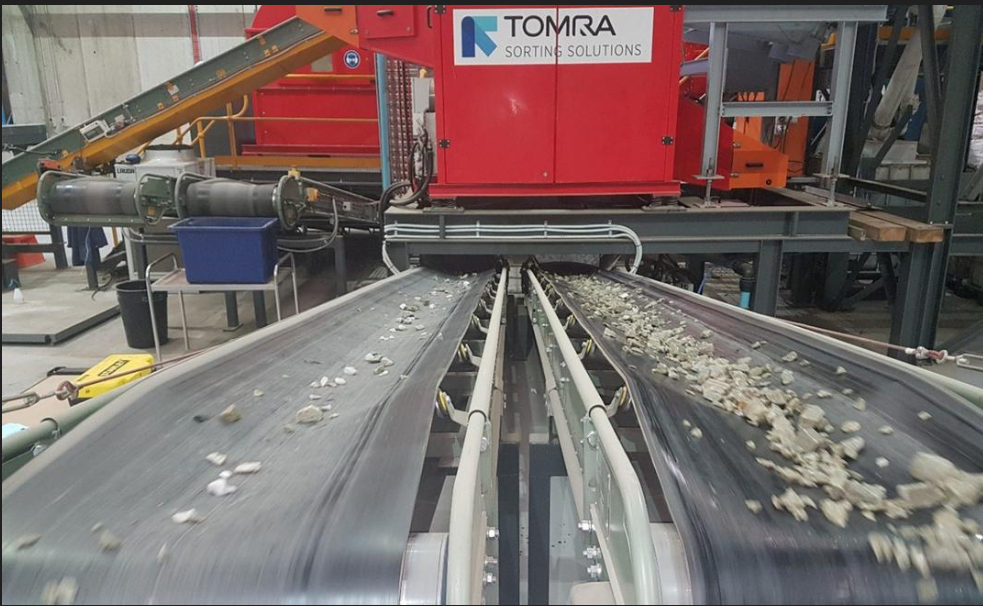
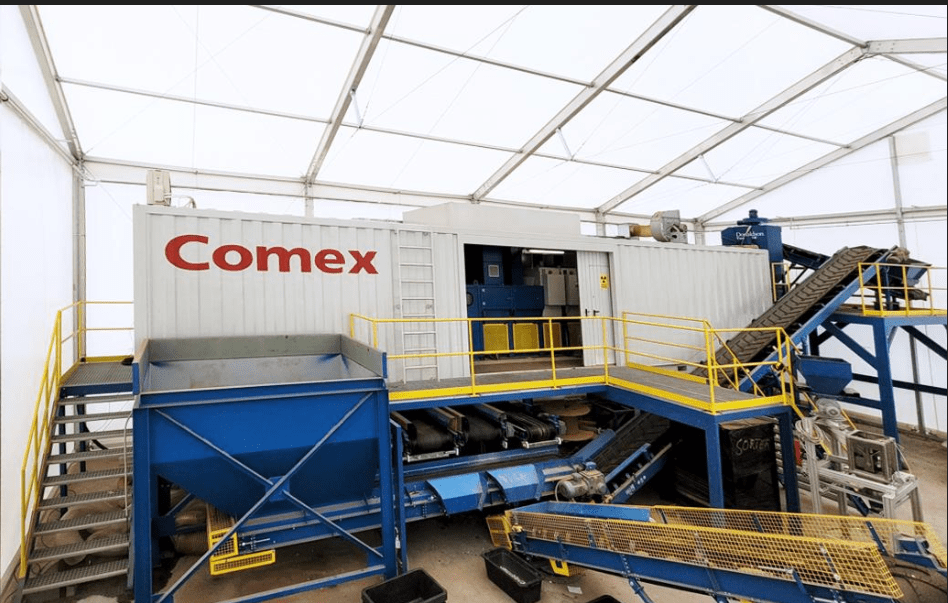
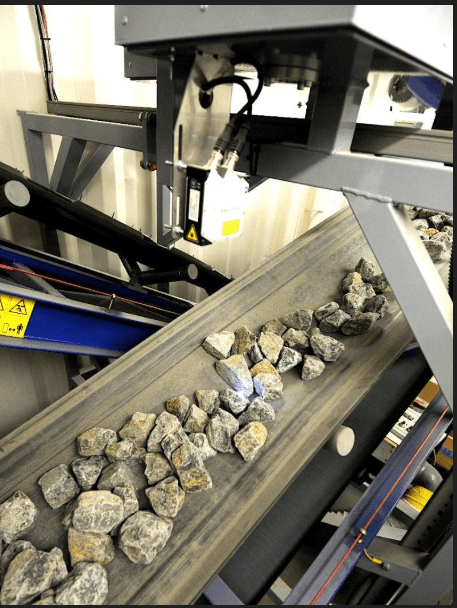
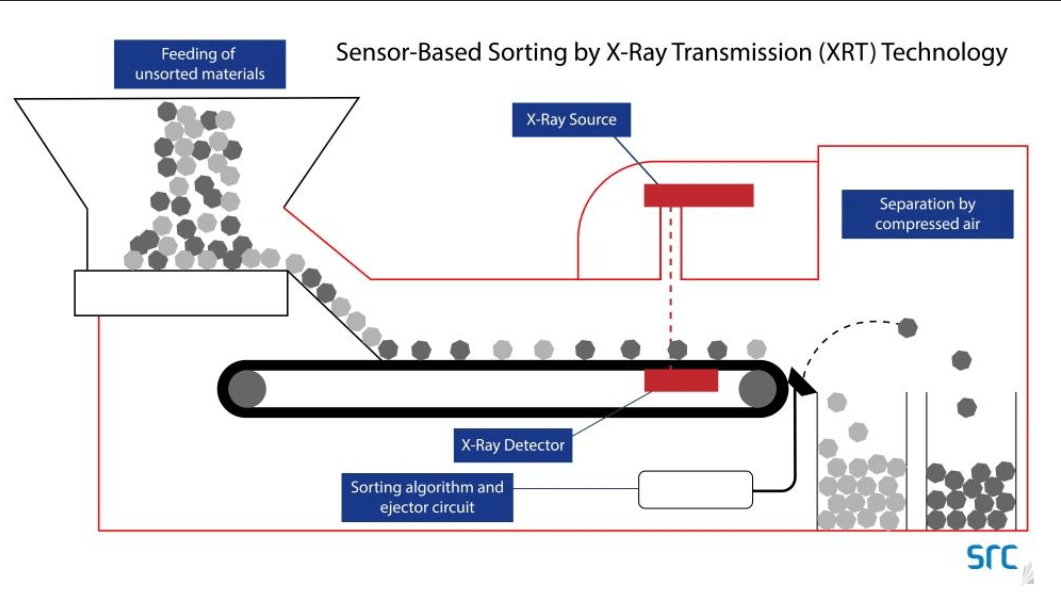
Modern sensor-based sorting systems use advanced technologies such as X-ray Transmission (XRT), Near Infrared (NIR), Laser, Optical RGB Cameras, X-ray Fluorescence (XRF), Electromagnetic (EM), and Hyperspectral Imaging to distinguish valuable minerals from barren waste based on their physical or chemical characteristics. Once identified, high-speed air jets or mechanical diverters separate the material into accepted ore and rejected waste streams.
This pre-concentration process enables mining operations to recover value from deposits that were previously considered uneconomical.
--- ## Why Low-Grade Ore Bodies Need Sensor-Based Sorting
The average grade of many mineral deposits has steadily declined over the past few decades. As ore grades decrease, mining operations must process significantly larger volumes of material to produce the same amount of metal.
This leads to:
* Increased crushing and grinding costs
* Higher energy consumption
* Increased water requirements
* Larger tailings storage facilities
* Greater greenhouse gas emissions
* Higher operating costs per tonne of metal produced Sensor-based sorting addresses these challenges by removing barren rock before expensive processing stages, thereby increasing the grade of the material entering the plant and improving overall process efficiency.
--- ## How Sensor-Based Sorting Works
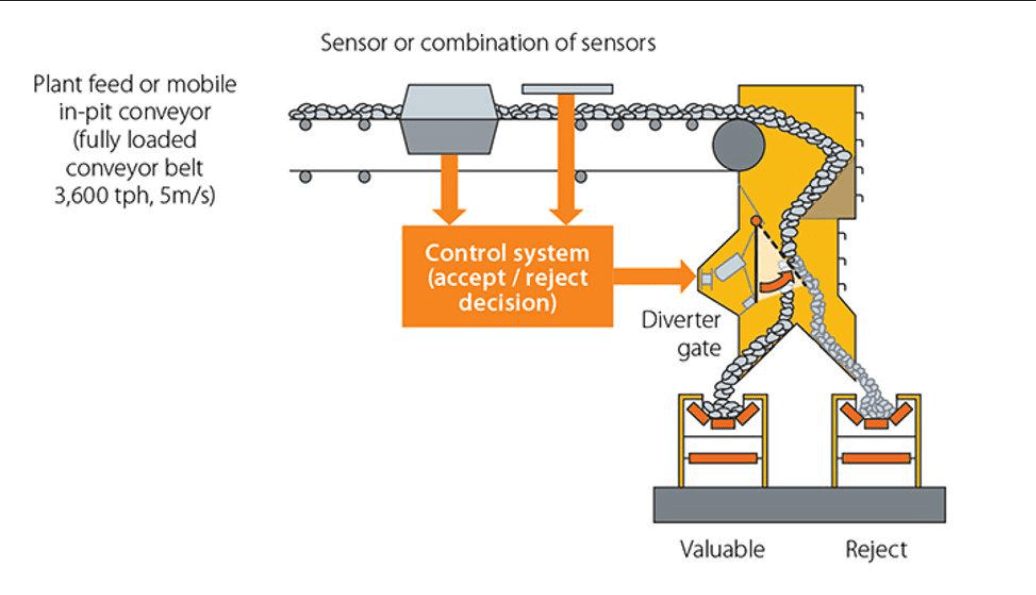
The process typically follows these steps:
1. Ore is crushed to the required particle size.
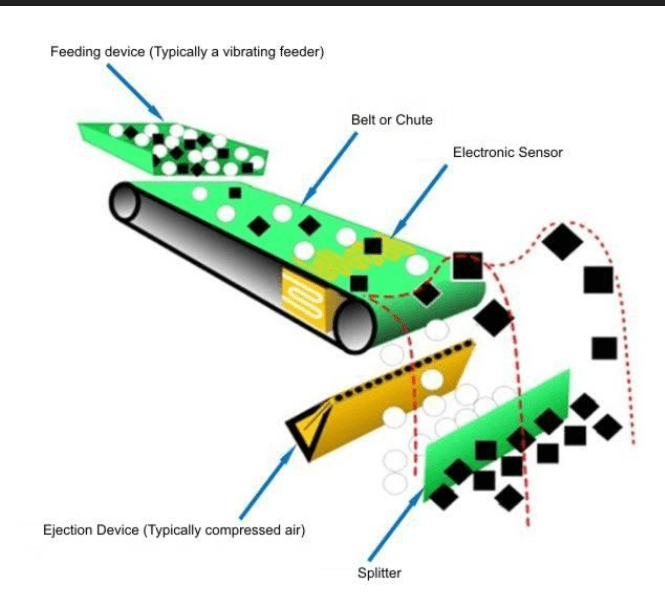
2. Material is evenly distributed onto a conveyor belt.
3. Sensors scan each particle individually.
4. Software analyses the sensor data in milliseconds.
5. Particles are classified as ore or waste.
6. High-speed air jets eject waste or valuable particles into separate collection bins.
7. The upgraded ore proceeds to grinding and mineral recovery.
--- ## Suitable Sensor Technologies
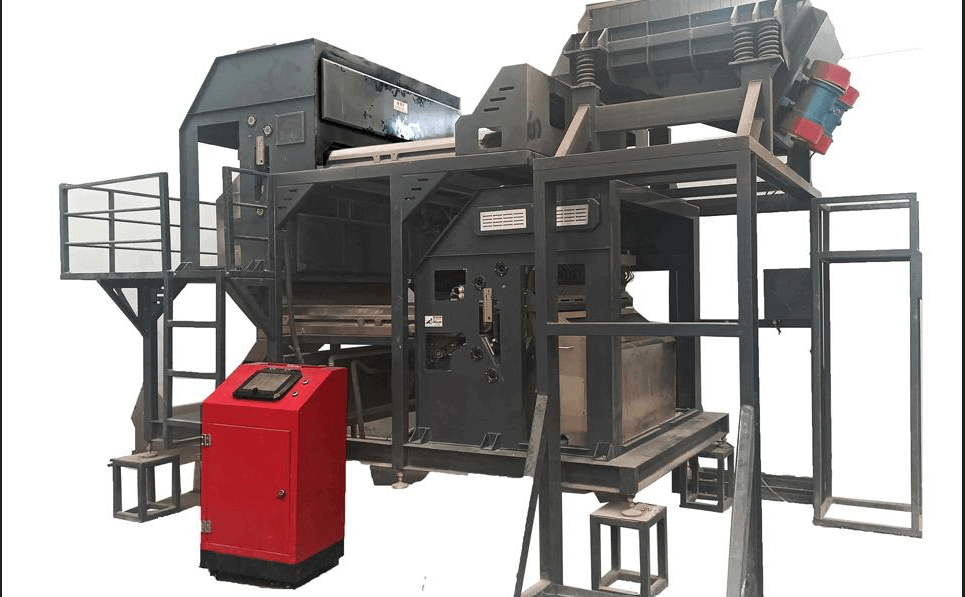
### X-Ray Transmission (XRT)
XRT measures differences in atomic density within individual rocks. Dense sulphide minerals, diamonds, tungsten, and certain base metal ores can be separated from less dense waste rock. XRT is one of the most widely adopted sensor technologies because it is unaffected by surface colour or dust.
**Applications**
* Iron ore
* Diamonds
* Tungsten
* Lead-Zinc
* Copper
* Tin
--- ### Near Infrared (NIR)
NIR identifies minerals based on their spectral reflectance. Different minerals absorb and reflect infrared wavelengths differently, allowing rapid identification of alteration minerals and gangue.
**Applications**
* Lithium
* Phosphate
* Potash
* Industrial minerals
* Rare earth deposits
--- ### Optical RGB Cameras
Optical sorting relies on colour, texture, brightness, and particle shape. It is particularly effective where valuable minerals have distinctive visual characteristics.
**Applications**
* Limestone
* Coal
* Industrial minerals
* Construction aggregates
--- ### X-Ray Fluorescence (XRF)
XRF detects elemental composition directly by measuring fluorescent X-rays emitted from minerals after excitation.
**Applications**
* Copper
* Nickel
* Zinc
* Lead
* Precious metals
--- ### Laser and 3D Imaging
Laser sensors generate detailed three-dimensional profiles of particles, allowing separation based on particle shape, size, and surface characteristics.
--- ## Benefits for Low-Grade Deposits
### Increased Feed Grade
Removing waste before milling significantly increases the head grade delivered to the concentrator.
Typical improvements range from **20–100%**, depending on ore heterogeneity.
--- ### Lower Processing Costs
Less waste entering the plant means:
* Lower energy consumption
* Reduced grinding media consumption
* Lower reagent costs
* Reduced maintenance
--- ### Higher Plant Throughput
Since less waste occupies grinding capacity, existing plants can process more valuable ore without increasing equipment size.
--- ### Reduced Water Consumption
Grinding and flotation circuits consume substantial water. Rejecting waste upstream reduces overall water demand.
--- ### Smaller Tailings Storage Requirements
Waste removed before processing does not become tailings, reducing:
* Tailings dam size
* Environmental liability
* Closure costs
--- ### Improved Sustainability
Sensor sorting contributes to Environmental, Social and Governance (ESG) objectives by:
* Reducing carbon emissions
* Lowering electricity demand
* Conserving water
* Minimising waste generation
* Extending mine life
--- ## Suitable Commodities
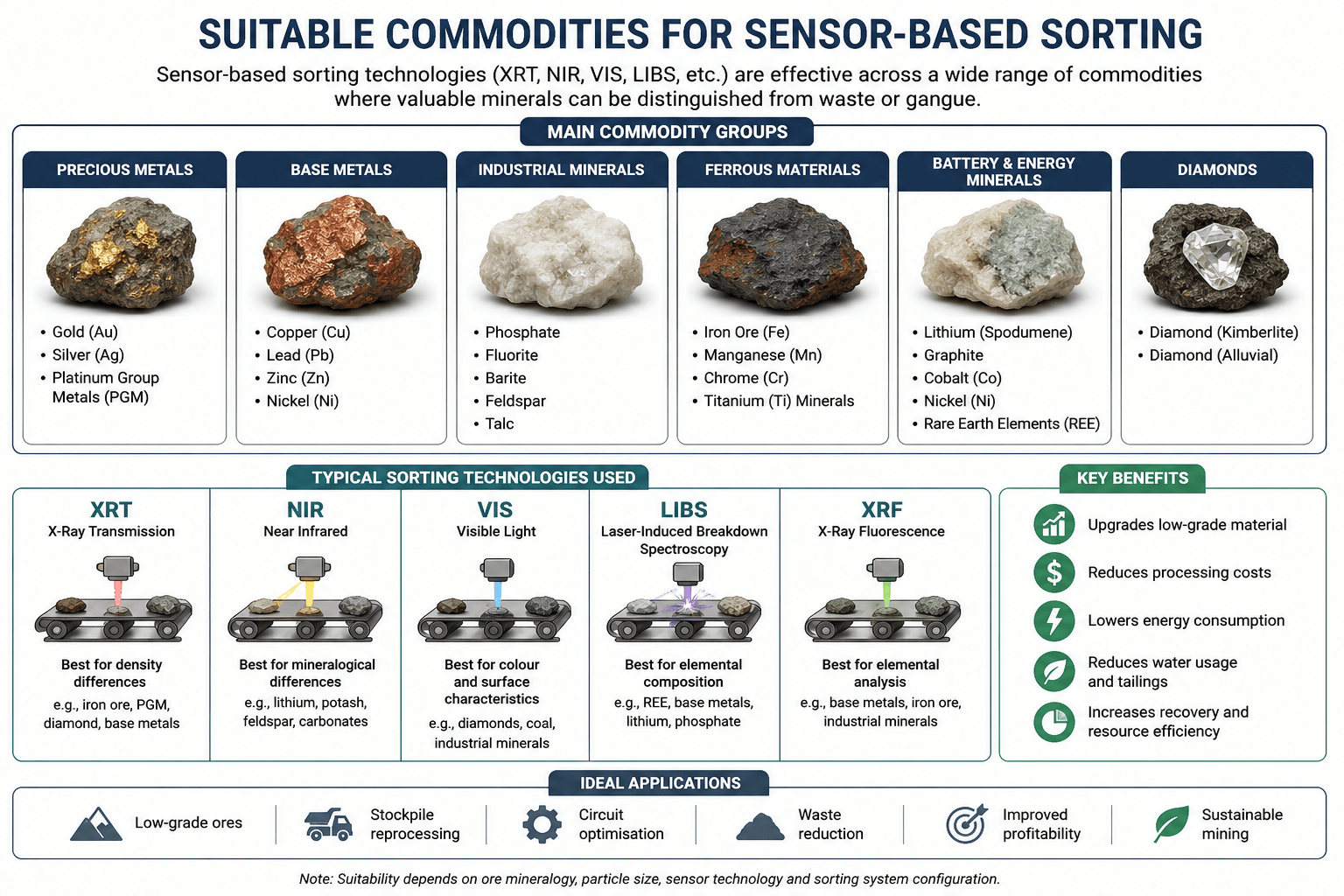
Sensor sorting has demonstrated success across many commodities, including:
--- ## Economic Benefits For marginal ore bodies, sensor-based sorting can transform project economics by:
* Increasing Net Present Value (NPV)
* Improving Internal Rate of Return (IRR)
* Lowering capital intensity
* Reducing operating costs
* Extending mine life
* Enabling exploitation of previously uneconomic resources In many cases, pre-concentration allows lower-grade material that would have been classified as waste to become economically recoverable.
--- ## Challenges and Limitations
Despite its advantages, sensor-based sorting is not universally applicable.
Key considerations include:
* Sufficient contrast between ore and waste is required for reliable separation.
* Material generally needs to be dry and clean for optimal sensor performance.
* Appropriate particle size ranges are necessary to ensure accurate detection.
* Ore mineralogy must be well understood through detailed characterization.
* Capital costs can be significant, although these are often offset by long-term operating savings.
Careful laboratory testing and pilot-scale trials are essential before full-scale implementation.
--- ## Future Trends
Emerging developments are making sensor-based sorting even more effective:
* Artificial Intelligence (AI) and machine learning for improved classification accuracy.
* Hyperspectral imaging capable of identifying increasingly complex mineral assemblages.
* Multi-sensor platforms that combine XRT, NIR, RGB, and XRF data.
* Digital twins for optimizing sorter performance and integration with the broader plant.
* Real-time process analytics linked to mine planning and grade control systems.
These advances are expected to increase recovery, reduce dilution, and enable the profitable development of increasingly complex ore deposits.
--- ## Conclusion
Sensor-based sorting has become one of the most significant technological advances in modern mineral processing.
By rejecting barren material before energy-intensive comminution and concentration, mining operations can substantially improve feed grade, reduce operating costs, increase plant throughput, lower environmental impacts, and unlock value from low-grade or marginal ore bodies. As sensor technologies continue to evolve and become more closely integrated with artificial intelligence and digital process control, sensor-based sorting is likely to play an increasingly important role in the sustainable and profitable extraction of mineral resources.
Why Low-Grade Ore Bodies Need Sensor-Based Sorting
The mining industry is experiencing a long-term decline in the average grade of economically recoverable mineral deposits.
As high-grade, near-surface resources become depleted, mining companies are increasingly forced to exploit lower-grade or more complex ore bodies. These deposits typically contain a smaller proportion of valuable minerals relative to waste rock, meaning that significantly more material must be mined, transported, crushed, ground, and processed to produce the same quantity of metal.
This increases both capital and operating costs while placing greater demands on energy, water, equipment, and tailings storage facilities.
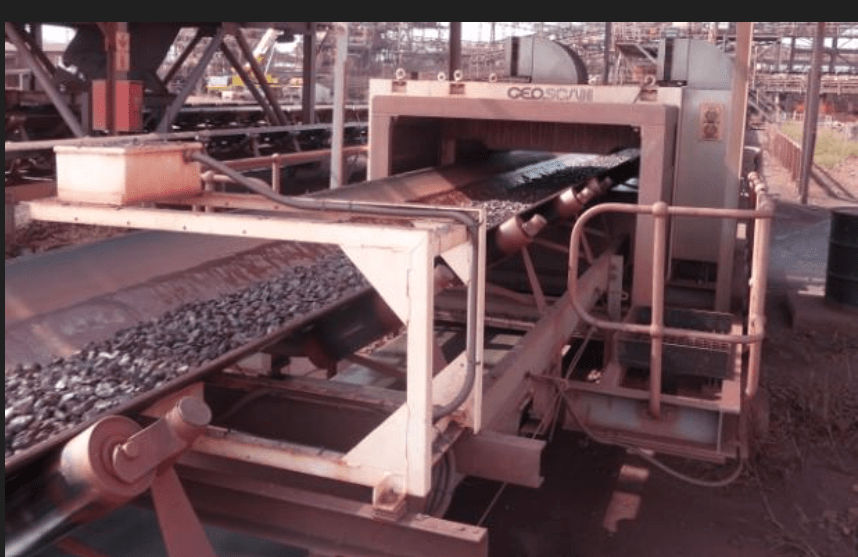
Sensor-based ore sorting provides an effective solution by acting as a pre-concentration technology. Instead of processing the entire mined ore stream, advanced sensors identify and reject barren or low-value rock before it enters the comminution and concentration circuits.
By upgrading the ore feed at an early stage, the technology allows mineral processing plants to focus only on material with economic value. This approach reduces unnecessary processing, improves resource utilization, and enables mining companies to profitably recover minerals from deposits that may otherwise be considered uneconomic.
### 1. Declining Ore Grades
Many copper, gold, iron ore, lithium, and base metal mines are experiencing declining ore grades. For example, a mine that once processed ore grading 2.0% copper may now only encounter ore averaging 0.6–0.8% copper. Processing these lower-grade ores without pre-concentration requires substantially higher throughput to maintain metal production, increasing costs and reducing profitability. Sensor-based sorting upgrades the feed by removing barren rock, thereby increasing the average grade entering the processing plant and improving overall recovery economics.
### 2. Rising Energy Costs
Comminution, which includes crushing and grinding, is the most energy-intensive stage of mineral processing and often accounts for more than half of a concentrator's total electricity consumption. Processing waste rock consumes the same amount of energy as processing valuable ore, despite contributing no economic value. By rejecting waste before milling, sensor-based sorting significantly reduces the tonnage requiring energy-intensive treatment, leading to lower electricity costs, reduced wear on grinding equipment, and improved energy efficiency.
### 3. Reduced Water Consumption
Grinding, flotation, leaching, and other downstream beneficiation processes require large quantities of water. Processing unnecessary waste material increases water demand, which is becoming a critical issue in water-scarce mining regions. By reducing the volume of material entering the plant, sensor-based sorting lowers overall water consumption, decreases slurry volumes, and improves the efficiency of water recycling systems. This contributes to more sustainable water management and reduces operating costs.
### 4. Lower Processing Costs
Every tonne of waste rock that passes through a processing plant incurs costs associated with crushing, grinding, pumping, reagent addition, maintenance, and labour. Sensor-based sorting removes uneconomic material before these costs are incurred. As a result, operations benefit from reduced reagent consumption, lower maintenance requirements, decreased equipment wear, and improved overall plant efficiency, ultimately reducing the cost per tonne of valuable metal produced.
### 5. Increased Plant Throughput
Most processing plants are constrained by the capacity of their crushing and grinding circuits. When waste rock is removed upstream, these bottlenecks are relieved, allowing more valuable ore to be processed using existing infrastructure. In many cases, sensor-based sorting enables production increases without requiring major capital investments in additional milling capacity, thereby improving asset utilization and extending the life of existing plants. ### 6. Reduced Tailings Generation Waste rock rejected before beneficiation does not become process tailings. This significantly reduces the volume of material reporting to tailings storage facilities, lowering construction, operating, and closure costs. Smaller tailings facilities also reduce environmental risks, decrease long-term liabilities, and simplify regulatory compliance. As environmental standards become more stringent, minimizing tailings production is becoming an increasingly important objective for mining companies.
### 7. Improved Environmental Performance
Mining companies are under growing pressure to reduce their environmental footprint and meet Environmental, Social, and Governance (ESG) commitments. Sensor-based sorting contributes directly to these objectives by lowering energy consumption, reducing greenhouse gas emissions, minimizing water usage, decreasing reagent requirements, and reducing the volume of waste requiring long-term storage. These improvements support sustainable mining practices while enhancing the social licence to operate.
### 8. Economic Recovery of Marginal Ore
Many stockpiles, low-grade zones, and marginal deposits have historically been considered uneconomic because the value of the contained minerals did not justify the cost of processing the entire ore stream. Sensor-based sorting changes this economic equation by selectively upgrading the ore before processing. Material that was once classified as waste can often be converted into economically recoverable feed, extending mine life, increasing mineral reserves, and improving the overall Net Present Value (NPV) and Internal Rate of Return (IRR) of mining projects.
## Conclusion
Low-grade and marginal ore bodies present significant technical and economic challenges, requiring mining operations to process increasingly larger volumes of material while controlling costs and minimizing environmental impacts. Sensor-based ore sorting addresses these challenges by rejecting barren material before expensive downstream processing, thereby increasing feed grade, reducing energy and water consumption, lowering processing costs, minimizing tailings production, and improving overall plant performance. As ore grades continue to decline worldwide, sensor-based sorting is rapidly becoming an essential technology for maintaining the profitability, sustainability, and long-term viability of modern mining operations.
How Sensor-Based Sorting Works to Enhance Grade Quality
# How Sensor-Based Sorting Works to Enhance Grade Quality
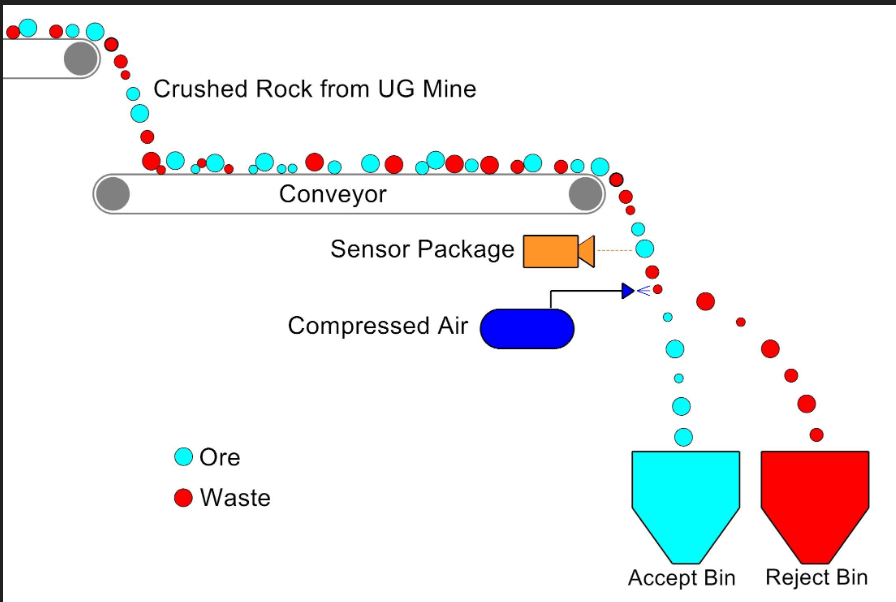
Sensor-based ore sorting is a pre-concentration technology that improves ore grade by identifying and separating valuable mineral-bearing particles from barren waste rock before they enter the processing plant. Unlike conventional mineral processing, where all mined material is crushed, ground, and treated regardless of its value, sensor-based sorting evaluates each individual rock particle using advanced sensors and automatically rejects material with little or no economic value. This selective processing increases the concentration of valuable minerals in the feed, resulting in a higher-grade ore stream that is more efficient and economical to process.
The technology combines high-speed sensors, artificial intelligence (AI), image analysis, and automated separation systems to analyse thousands of particles every second. Each particle is scanned, classified, and either accepted or rejected within milliseconds.
The result is a significant upgrade in feed quality before the material reaches energy-intensive processes such as grinding, flotation, leaching, or dense medium separation.
## Step 1: Primary Crushing
The run-of-mine (ROM) ore is first crushed to a predetermined particle size suitable for sensor analysis, typically between **10 mm and 100 mm**, depending on the sensor technology and the ore type. Crushing liberates individual rock fragments while maintaining sufficient particle size for accurate scanning.
Oversized material is further reduced, while excessive fines are generally removed because they are difficult to analyse individually.
**Benefits**
* Produces a consistent particle size.
* Improves sensor accuracy.
* Ensures each particle can be evaluated independently.
--- ## Step 2:
Material Presentation
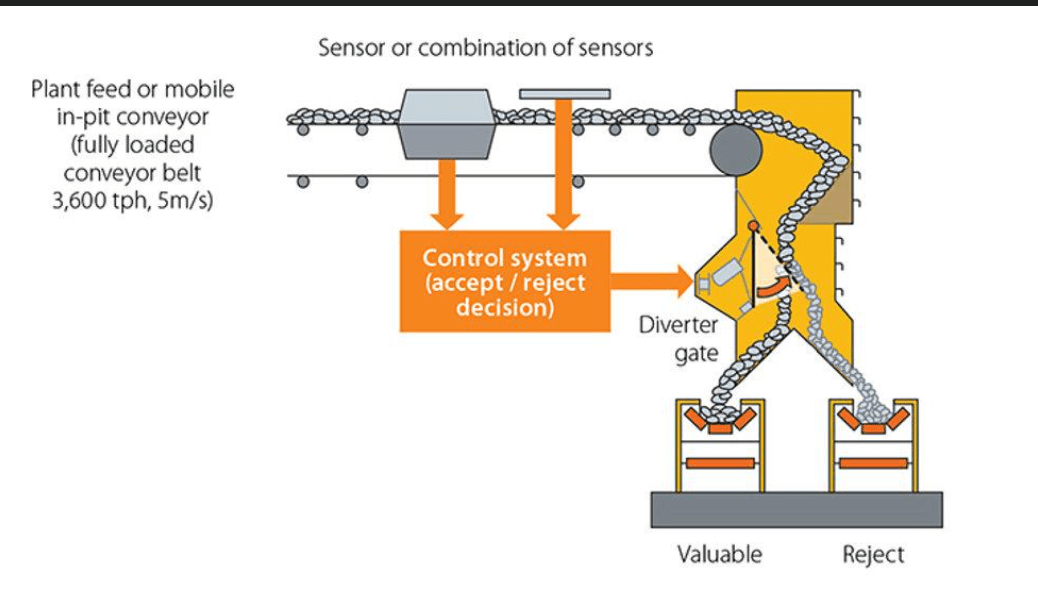
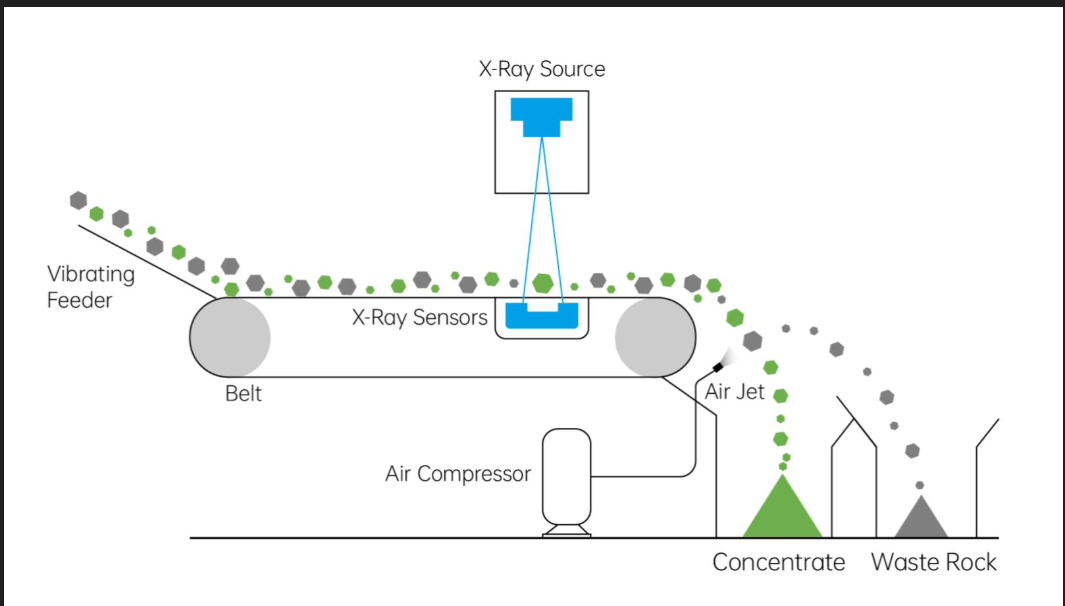
After crushing, the material is conveyed onto a high-speed belt or vibratory feeder where particles are spread into a single layer. Proper particle spacing is essential because overlapping rocks can interfere with sensor measurements and reduce sorting accuracy.
Modern feed systems include:
* Vibrating feeders
* Accelerating conveyors
* Particle alignment mechanisms
* Dust suppression systems Uniform presentation allows every particle to be scanned individually.
--- ## Step 3:
Sensor Detection
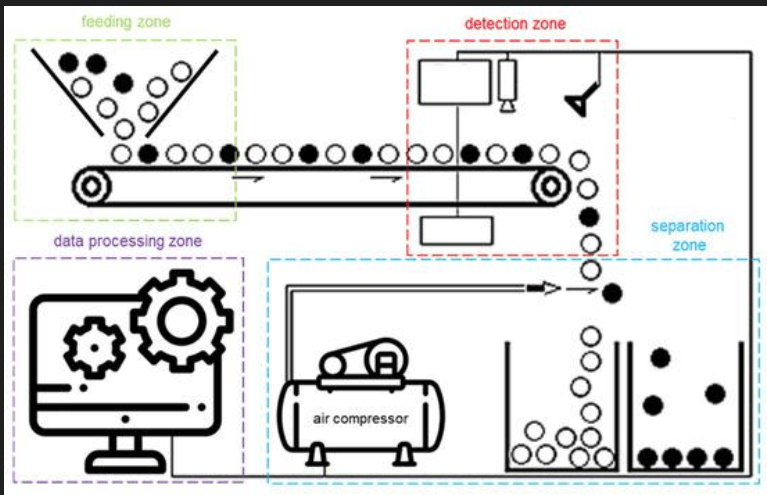
As each particle passes through the sorting chamber, one or more sensors analyse its physical or chemical properties. Different sensor technologies detect different mineral characteristics.
### X-Ray Transmission (XRT) Measures differences in atomic density, making it ideal for separating dense mineralised rock from low-density waste.
**Suitable for:**
* Copper
* Iron ore
* Diamonds
* Tungsten
* Tin
### Near Infrared (NIR) Detects differences in mineral composition by measuring reflected infrared wavelengths.
**Suitable for:**
* Lithium
* Phosphate
* Potash
* Industrial minerals
### Optical RGB Cameras
Identify particles according to:
* Colour
* Texture
* Brightness
* Surface characteristics
* Shape
**Suitable for:**
* Coal
* Limestone
* Industrial minerals
### X-Ray Fluorescence (XRF)
Determines elemental composition directly by detecting characteristic fluorescent X-rays emitted from the ore.
**Suitable for:**
* Copper
* Nickel
* Zinc
* Lead
--- ## Step 4:
Real-Time Data Processing
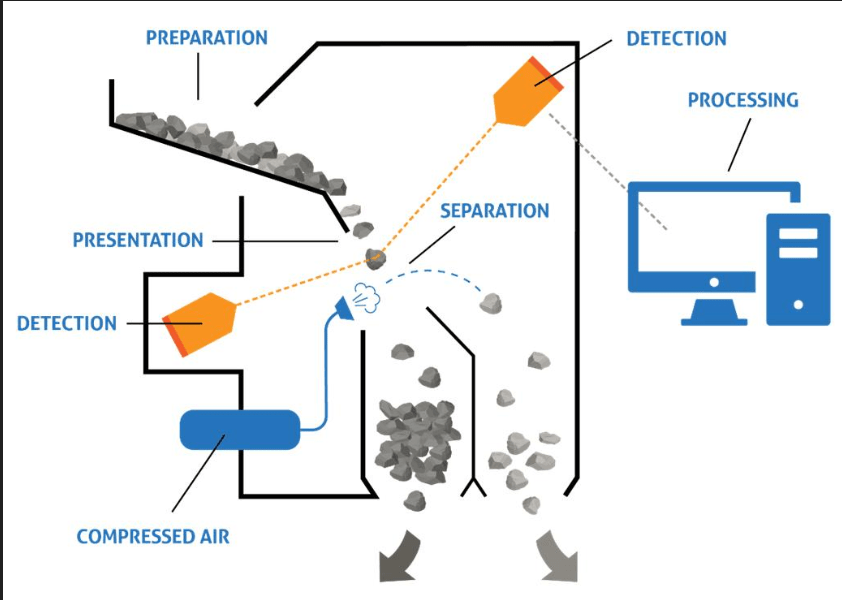
The sensor data is transmitted to a high-speed computer where sophisticated algorithms analyse each particle in real time. Machine learning and artificial intelligence can enhance this process by recognizing subtle mineralogical patterns that may not be apparent through conventional threshold-based methods.
The software compares each particle against predefined acceptance criteria, including:
* Mineral composition
* Density
* Colour
* Texture
* Elemental concentration
* Particle size
* Shape Each particle is then classified as either:
* **Accept (valuable ore)**
* **Reject (waste rock)** This decision is typically made within a few milliseconds.
--- ## Step 5:
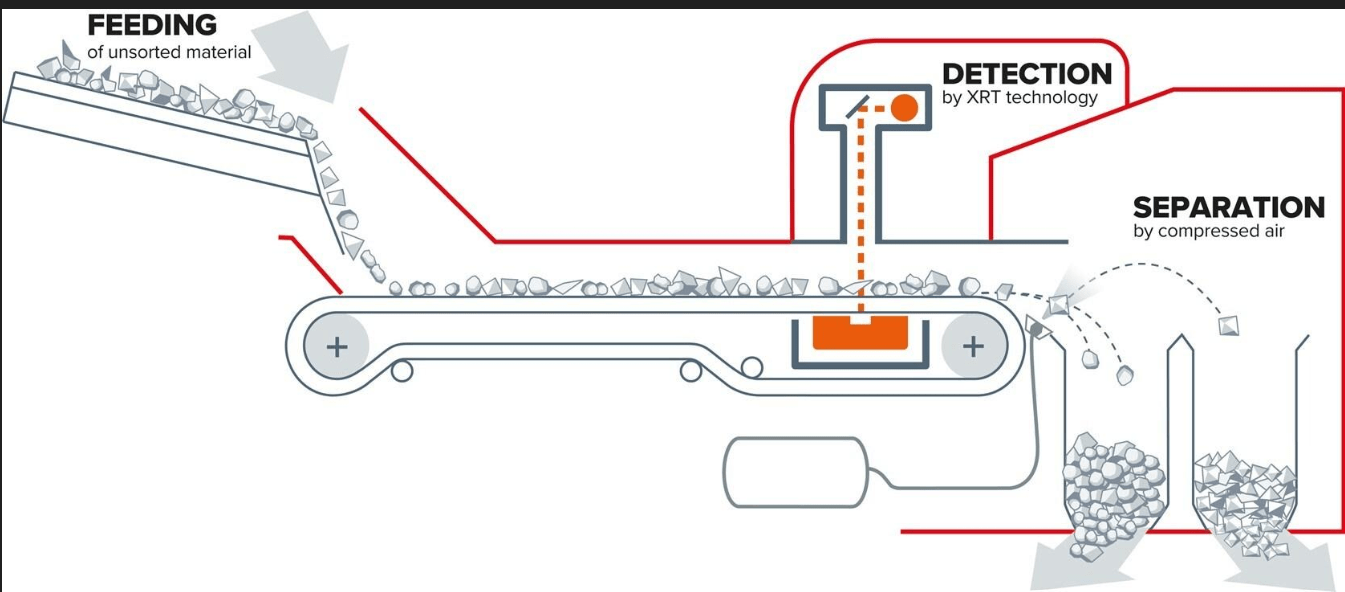
Particle Separation Immediately after classification, the particles reach the separation zone. High-speed compressed air jets, mechanical paddles, or deflector gates are activated with precise timing to divert selected particles into separate streams.
Typical product streams include:
* **High-grade ore**
→ Sent to downstream processing.
* **Waste rock**
→ Discarded or used for backfill.
* **Intermediate-grade material (optional)**
→ Reprocessed or stockpiled for future treatment. Modern sorting systems achieve particle tracking accuracies measured in milliseconds, enabling efficient separation even at high throughputs. --- ## Step 6: Upgraded Ore Feed The accepted material forms a significantly upgraded ore stream with a higher concentration of valuable minerals.
Since much of the barren material has already been removed, downstream processes become more efficient.
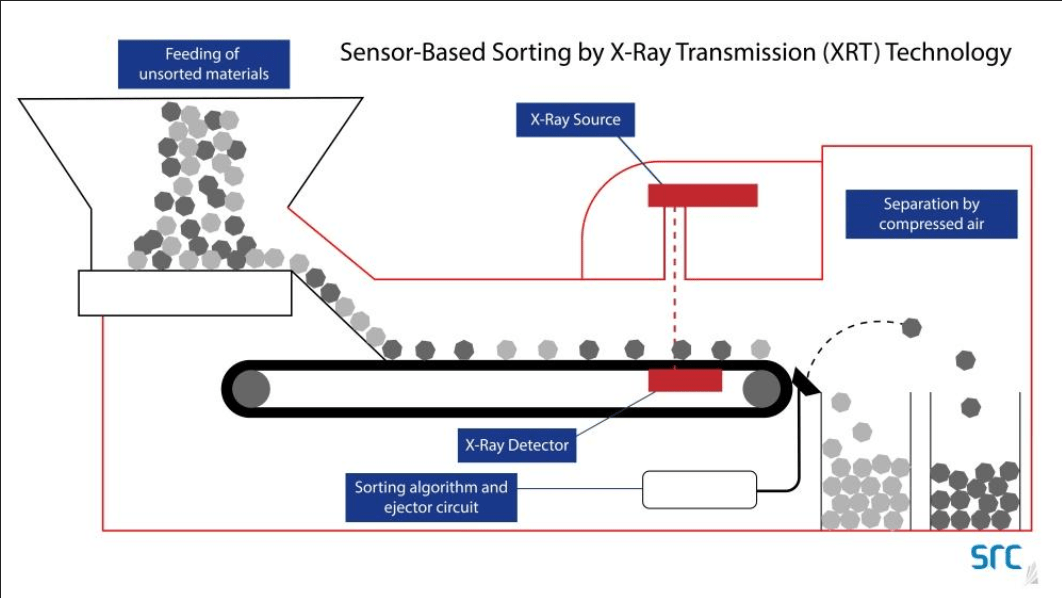
The upgraded feed typically results in:
* Higher head grades
* Lower dilution
* Reduced variability
* Improved metallurgical recovery
* More stable plant operation Depending on the ore characteristics, feed grades may improve by **20% to more than 100%**, while the total mass reporting to the processing plant can be reduced substantially.
--- ## How Grade Quality is Enhanced
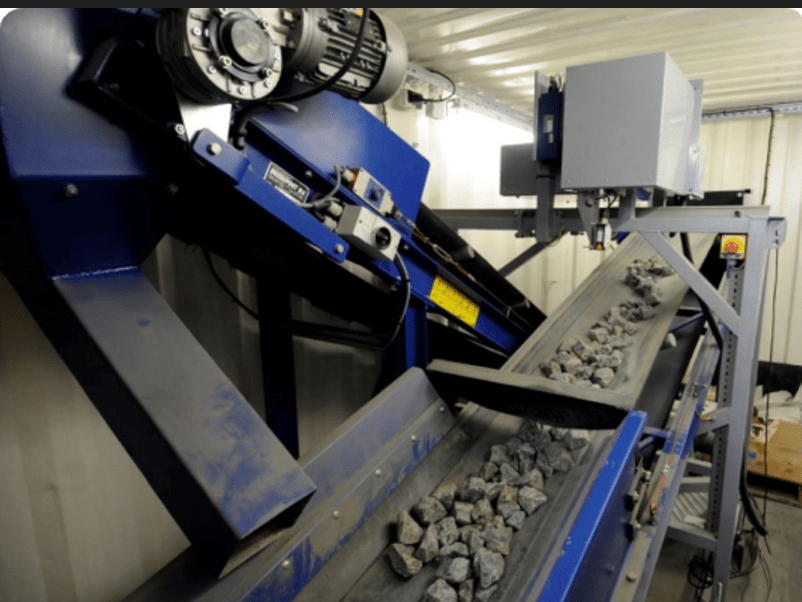
Sensor-based sorting enhances grade quality by selectively removing material that contains little or no economic value before it enters the concentrator. Instead of increasing metal content through chemical concentration, the technology upgrades the feed by reducing dilution from barren rock.
This means that every tonne entering the processing plant contains a greater proportion of valuable mineral, resulting in more efficient downstream processing.
The improved feed quality delivers several operational benefits:
* Higher recovery of valuable minerals.
* Reduced energy consumption in crushing and grinding.
* Lower reagent consumption during flotation or leaching.
* Reduced water usage.
* Lower maintenance costs due to decreased equipment wear.
* Smaller tailings volumes.
* Increased throughput within existing plant capacity. Because the processing plant treats less waste, operators can often increase production without expanding comminution or beneficiation equipment.
--- ## Overall Process Flow
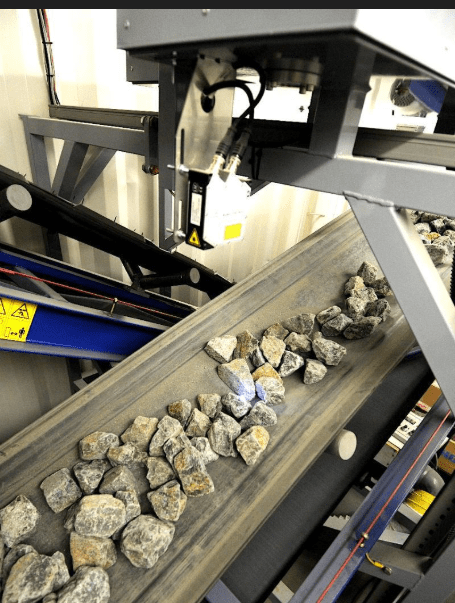
The complete sensor-based sorting workflow can be summarized as follows:
**Run-of-Mine Ore
→ Primary Crushing
→ Particle Sizing
→ Single-Layer Material Presentation
→ Sensor Scanning
→ AI-Based Classification
→ High-Speed Air Jet Separation
→ High-Grade Ore
→ Mineral Processing Plant**
**Waste Rock
→ Waste Dump, Construction Material, or Mine Backfill**
--- ## Conclusion
Sensor-based sorting enhances ore grade quality by removing barren or low-value rock before expensive downstream processing begins. Through the integration of advanced sensors, artificial intelligence, and high-speed automated separation systems, mining operations can produce a higher-grade, more consistent feed for the concentrator while reducing energy consumption, water usage, processing costs, and tailings generation. For low-grade and marginal ore bodies, this pre-concentration technology improves the economic viability of mining projects, extends mine life, and supports more sustainable mineral processing practices.
Economic Benefits of Sensor-Based Ore Sorting with Real-World Examples
# Economic Benefits of Sensor-Based Ore Sorting with Real-World Examples
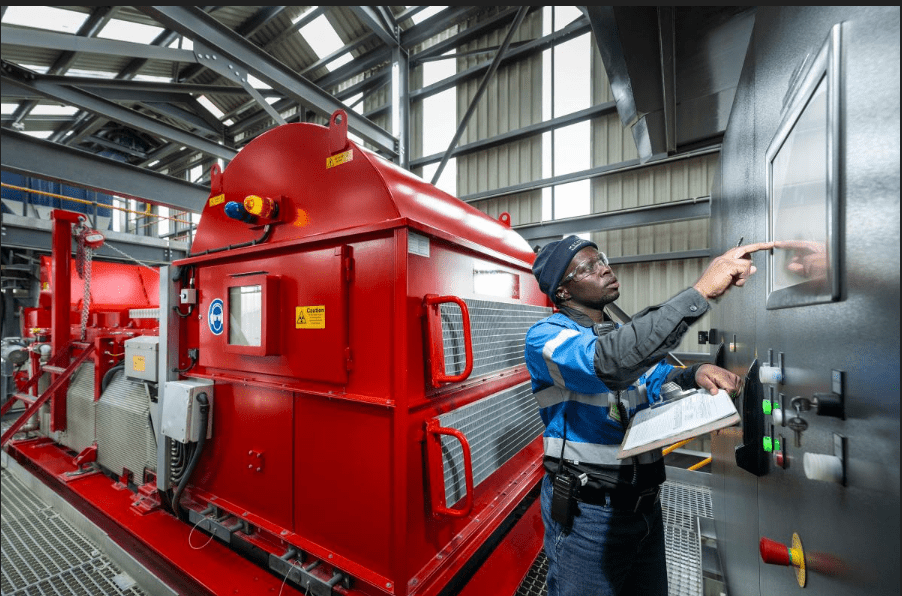
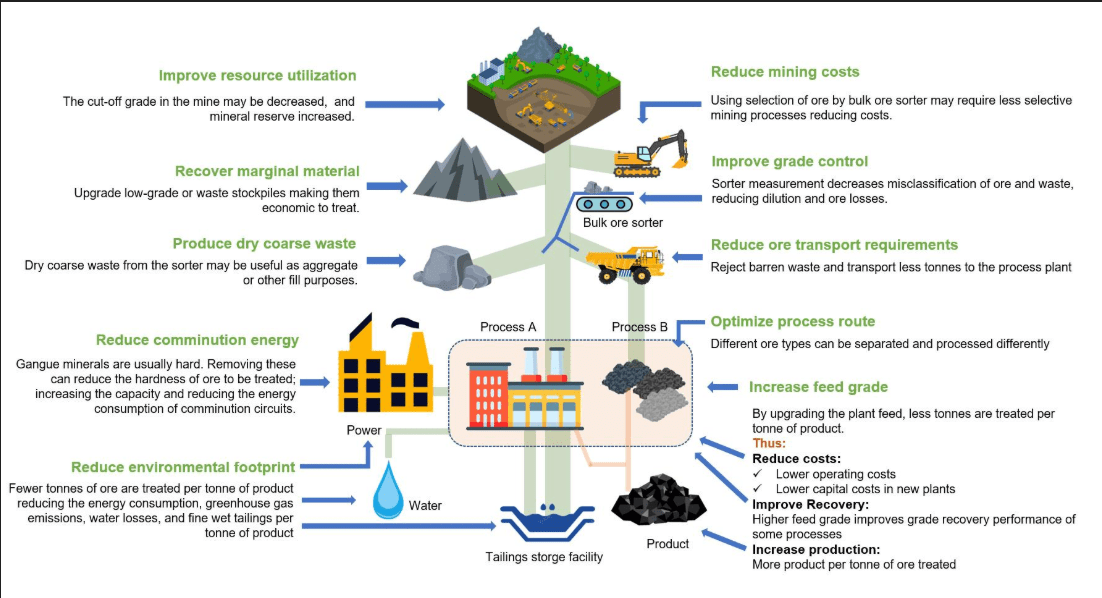
The economic value of sensor-based ore sorting lies in its ability to reject barren material before it reaches the most expensive stages of mineral processing.
By upgrading ore at the front end of the process, mining companies can reduce operating costs, increase plant productivity, improve metal recovery, and extend the economic life of existing mines.
In many cases, sensor-based sorting transforms previously uneconomic low-grade resources into profitable reserves without requiring major expansions of downstream processing facilities. Below are the primary economic benefits together with examples from commercial mining operations. --- ## 1. Reduced Processing Costs Crushing, grinding, flotation, and leaching represent the largest operating costs in most mineral processing plants. Since these processes consume energy, water, reagents, and maintenance resources regardless of ore value, removing waste before beneficiation significantly lowers operating expenditure. For every tonne of waste rejected by a sensor sorter: * Less material requires crushing and grinding. * Power consumption decreases. * Grinding media consumption falls. * Reagent usage is reduced. * Maintenance intervals become longer.
### Real-World Example – Copper Operations (Chile)
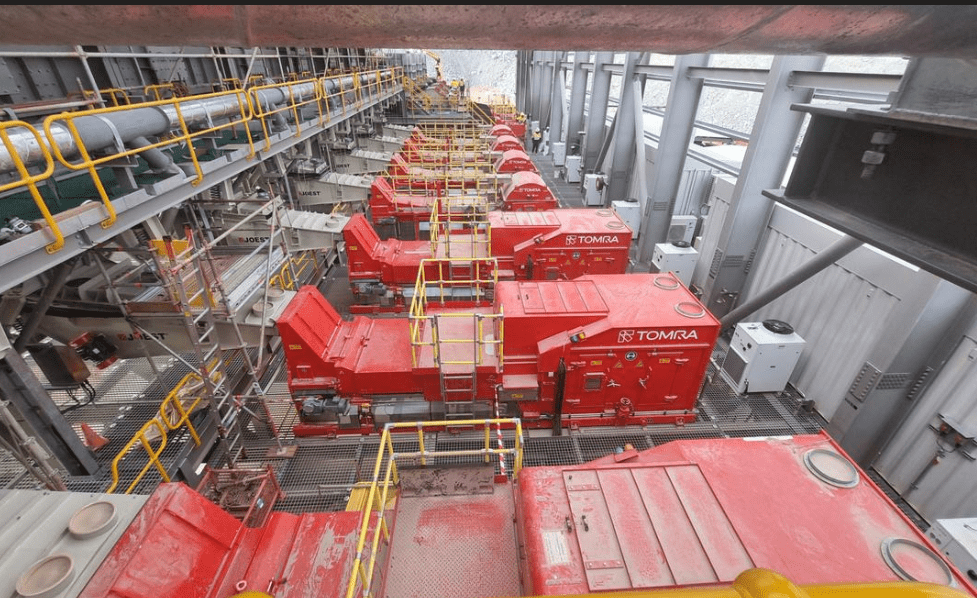
Several Chilean copper operations have evaluated XRT ore sorting to reject barren rock before milling. Pilot campaigns demonstrated that removing low-density waste before grinding reduced the mass reporting to the concentrator while maintaining most of the contained copper. This translated into lower energy consumption and reduced milling costs, particularly for lower-grade sections of the orebody.
--- ## 2. Increased Plant Throughput
Most concentrators are constrained by the capacity of their crushing and grinding circuits.
By removing waste rock before milling, sensor-based sorting frees up processing capacity for higher-value ore. Benefits include:
* Increased annual metal production.
* Higher utilisation of existing assets.
* Delayed capital expenditure on plant expansions.
### Real-World Example – TOMRA Mining Installations
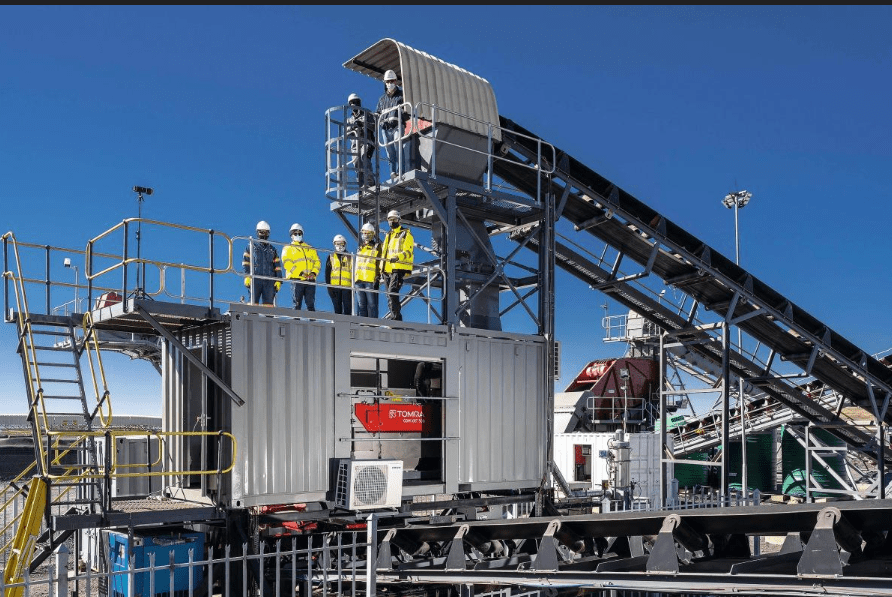
Commercial installations supplied by TOMRA Mining have shown that rejecting waste upstream enables existing concentrators to process a greater proportion of valuable ore. Rather than increasing the physical size of the processing plant, operators improve production by reducing the volume of uneconomic material entering the circuit.
--- ## 3. Improved Metal Recovery
Higher-grade feed generally leads to improved metallurgical performance because processing equipment can operate closer to its design conditions. Benefits include:
* Improved flotation stability.
* Better leaching efficiency.
* Reduced dilution.
* Higher concentrate grades.
### Real-World Example – Diamond Mining
XRT sorting has transformed diamond recovery by identifying diamonds based on atomic density rather than relying solely on traditional dense media separation.
This has reduced diamond breakage, increased recovery of large diamonds, and improved product value while lowering operating costs.
--- ## 4. Lower Energy Consumption
Grinding is often the largest consumer of electricity in a mineral processing plant.
Rejecting barren rock before milling directly reduces energy demand. Typical benefits include:
* Lower electricity costs.
* Reduced greenhouse gas emissions.
* Lower carbon footprint.
* Extended equipment life.
### Real-World Example – Tungsten Operations
Several European tungsten operations have adopted XRT sorting to remove barren host rock before fine grinding.
The reduced feed mass has lowered power consumption while increasing the average tungsten grade entering the concentrator, improving overall plant economics.
--- ## 5. Reduced Water and Reagent Consumption Every tonne removed before flotation or leaching reduces the amount of water and reagents required.
Benefits include:
* Lower water abstraction.
* Reduced lime and flotation reagent consumption.
* Smaller pumping requirements.
* Lower tailings volumes.
### Real-World Example – Lithium Processing
Near Infrared (NIR) sorting has been successfully applied to pegmatite ores containing spodumene. By rejecting feldspar and quartz-rich waste before flotation, operators reduce water consumption and reagent usage while increasing lithium feed grade.
--- ## 6. Extended Mine Life Many low-grade stockpiles and marginal resources remain uneconomic under conventional processing methods. Sensor sorting changes this by:
* Lowering cut-off grades.
* Recovering previously discarded ore.
* Increasing economically recoverable reserves.
* Extending operating life.
### Real-World Example – Iron Ore
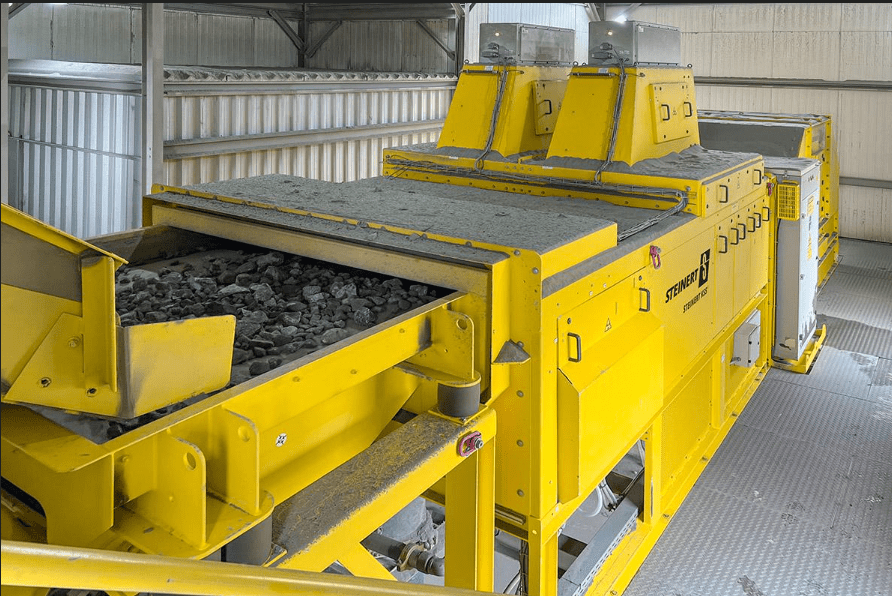
Several iron ore producers have evaluated sensor sorting to upgrade low-grade stockpiles generated during earlier mining campaigns. Material once considered waste has been reclassified as economically recoverable after pre-concentration, extending mine life without additional mining.
--- ## 7. Deferred Capital Expenditure
Constructing new grinding mills or flotation circuits requires substantial capital investment.
Sensor sorting can postpone or eliminate these expenditures by:
* Increasing effective plant capacity.
* Reducing bottlenecks.
* Improving utilisation of existing equipment.
### Real-World Example – Brownfield Expansions
Several brownfield mining operations have used ore sorting as an alternative to constructing additional milling capacity. Instead of processing more tonnes, plants process fewer tonnes at a higher grade, achieving increased metal production with significantly lower capital investment.
--- ## 8. Lower Tailings Management Costs
Rejecting waste before beneficiation reduces the volume of material reporting to the tailings storage facility. Benefits include:
* Smaller tailings dams.
* Lower pumping costs.
* Reduced environmental liabilities.
* Lower closure costs.
### Real-World Example – Industrial Minerals
Industrial mineral producers using optical sorting have substantially reduced the amount of material requiring wet processing. The resulting decrease in tailings production has lowered water treatment requirements and reduced long-term storage costs.
--- ## 9. Higher Project Net Present Value (NPV)
The combined effect of reduced operating costs, increased recovery, lower capital expenditure, and longer mine life significantly improves project economics.
Typical financial improvements include:
* Increased Net Present Value (NPV).
* Higher Internal Rate of Return (IRR).
* Shorter project payback periods.
* Lower operating cost per tonne of metal produced. For many marginal deposits, sensor-based sorting is the key factor that changes a project from being uneconomic to economically viable.
--- ## Conclusion
Sensor-based ore sorting has become a proven economic tool for improving the profitability of modern mining operations.
By removing barren material before expensive downstream processing, mining companies can significantly reduce operating costs, increase plant throughput, improve recovery, lower energy and water consumption, minimise tailings production, and extend the economic life of existing mines.
Successful applications in **diamond (Karowe)**, **tungsten (Mittersill)**, **copper**, **lithium**, and **iron ore** operations demonstrate that sensor-based sorting is no longer an emerging technology but a commercially established solution for unlocking value from low-grade and marginal ore bodies.
Karowe Mine (Botswana) Case Study: Application of Ore Sorting Technology and Economic Benefits
# Karowe Mine (Botswana) Case Study: Application of Ore Sorting Technology and Economic Benefits
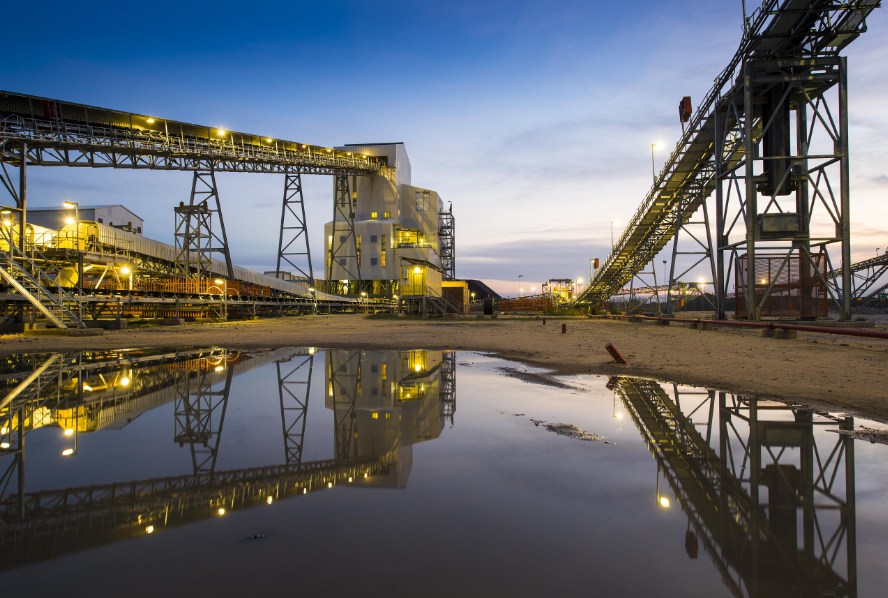
## Background The Karowe Mine, located in central Botswana and owned by Lucara Diamond Corp., is one of the world's leading producers of large, high-value gem-quality diamonds. Since commercial production began in 2012, the mine has become internationally recognized for recovering some of the largest diamonds ever discovered, including the **1,111-carat Lesedi La Rona**, the **813-carat Constellation**, and later the **1,758-carat Sewelô**.
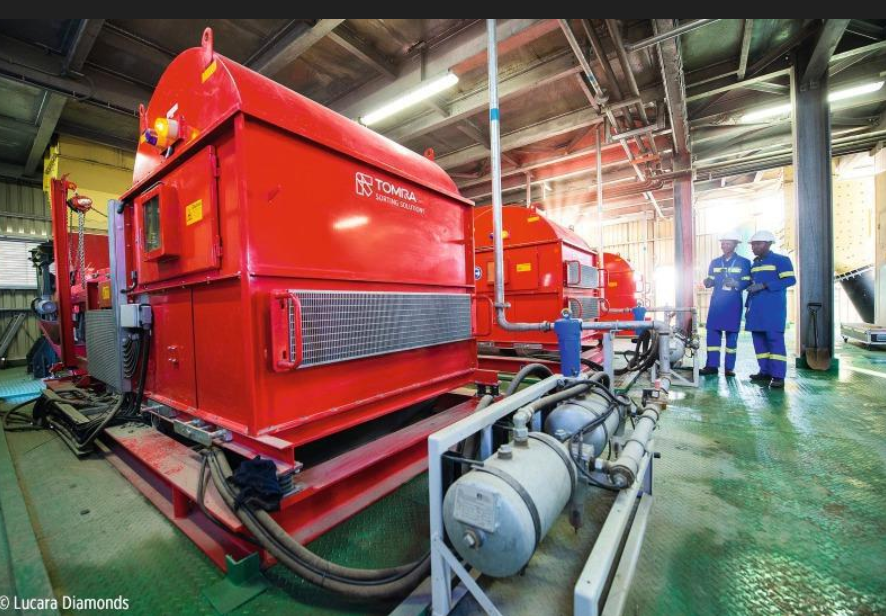
A key contributor to these exceptional recoveries has been the adoption of **X-Ray Transmission (XRT)** sensor-based ore sorting technology, supplied by TOMRA Mining.
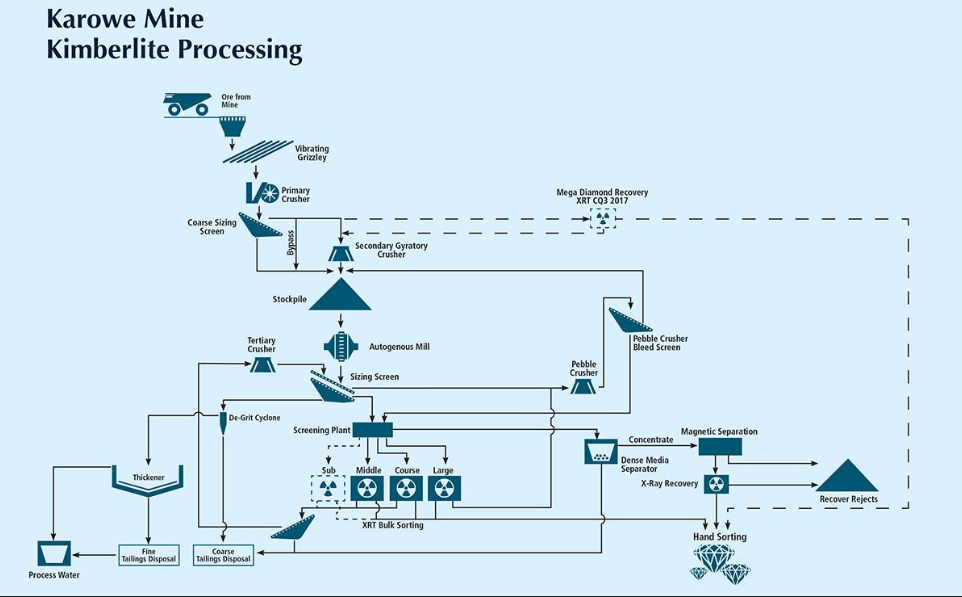
([SciELO][1]) Unlike conventional diamond recovery circuits that rely heavily on Dense Media Separation (DMS) followed by X-ray luminescence (XRL), Karowe redesigned its processing plant to recover diamonds earlier in the process. The mine also uses an autogenous (AG) mill rather than more aggressive crushing methods, minimizing breakage of large diamonds before they reach the XRT sorting circuit.
This innovative flowsheet has significantly increased the recovery of exceptional stones while reducing damage to high-value diamonds.
([Engineering News][2])
--- ## Application of XRT Ore Sorting Technology At Karowe, run-of-mine kimberlite ore is crushed and screened before entering the recovery circuit. Instead of relying solely on conventional dense media separation, the ore passes through XRT sorters that identify diamonds by their atomic density and carbon signature rather than by fluorescence or surface appearance. The XRT scanners analyse every individual particle travelling on the conveyor belt. When a diamond is detected, high-speed air jets divert it into a separate recovery stream while waste rock continues through the normal process. Because diamonds are recovered much earlier in the process, they are exposed to fewer crushing, pumping, and handling stages, substantially reducing the likelihood of breakage.
This approach is particularly effective for recovering large Type IIa diamonds, which often have weak luminescence and may be missed by older XRL systems.
([SciELO][3]) In 2016, Lucara expanded the technology by installing additional XRT units capable of treating smaller particle sizes (4–8 mm). This broadened the proportion of the ore stream processed by XRT and further improved recovery efficiency while maintaining strong operating margins.
([Lucara Diamond Corp.][4])
--- ## Economic Benefits Achieved
### 1. Recovery of Exceptional High-Value Diamonds
The greatest economic benefit has been the recovery of exceptionally large diamonds that might otherwise have been broken or overlooked in conventional processing circuits.
Examples include:
* **Lesedi La Rona** – 1,111 carats
* **Constellation** – 813 carats
* **Sewelô** – 1,758 carats
* Numerous additional diamonds exceeding 100 carats
These discoveries generated substantial revenue and established Karowe as one of the world's premier producers of large, high-value diamonds.
([Lucara Diamond Corp.][5])
--- ### 2. Reduced Diamond Breakage Traditional crushing circuits can fracture large diamonds before recovery, significantly reducing their market value. Karowe's combination of autogenous milling and early XRT recovery minimizes mechanical damage.
Economic advantages include:
* Higher average selling prices.
* Increased recovery of intact stones.
* Preservation of premium gem quality.
* Greater revenue from individual diamonds.
The recovery of intact large diamonds has become one of Karowe's defining competitive advantages.
([SciELO][3])
--- ### 3. Lower Operating Costs
XRT sorting reduces the amount of material requiring downstream treatment compared with conventional recovery methods. Lower concentrate volumes translate into:
* Reduced energy consumption.
* Lower water usage.
* Fewer consumables.
* Reduced maintenance.
* Improved processing efficiency. Lucara has stated that expanding XRT technology represented the most efficient and cost-effective processing method for the deeper, high-quality South Lobe ore.
([Lucara Diamond Corp.][4])
--- ### 4. Increased Processing Efficiency
By recovering diamonds earlier in the flowsheet, Karowe reduces unnecessary recirculation of valuable material.
Operational improvements include:
* Faster recovery.
* Lower concentrate handling requirements.
* Improved plant availability.
* Higher throughput efficiency.
* Reduced processing bottlenecks.
These efficiencies contribute to strong operating margins while maintaining consistent production levels.

([Lucara Diamond Corp.][4])
--- ### 5. Higher Project Profitability
Karowe is widely regarded as one of the most profitable diamond mines globally.
Analyses of the project's financial performance reported:
* Nominal **Internal Rate of Return (IRR)** of approximately **58%**.
* Rapid capital payback (under three years).
* Strong cash generation from production.
* Sustained profitability supported by the recovery of exceptional stones.
([ScienceDirect][6])
--- ### 6. Extension of Mine Life
The success of the XRT recovery circuit strengthened the business case for continued investment in Karowe, including underground development.
Benefits include:
* Improved long-term resource recovery.
* Continued extraction of high-value diamonds.
* Extension of mine operations well beyond the original open-pit plan, with the mining licence now extended to **2046**.
([Lucara Diamond Corp.][7])
--- ## Key Lessons for the Mining Industry
The Karowe Mine demonstrates that sensor-based ore sorting is not only a method for rejecting waste but also a powerful technology for **maximizing the value of high-value minerals**.
Its success highlights several important lessons:
* Integrating XRT early in the process can preserve fragile, high-value minerals.
* Ore sorting can reduce operating costs while improving product quality.
* Innovative processing flowsheets can unlock substantial economic value without simply increasing plant throughput.
* Combining appropriate comminution strategies with advanced sensor technologies can dramatically enhance project profitability.
--- ## Conclusion
The Karowe Mine is one of the world's most successful examples of commercial sensor-based ore sorting.
By integrating X-Ray Transmission (XRT) technology with a carefully designed processing flowsheet, Lucara transformed diamond recovery, achieving exceptional preservation of large gem-quality stones, reducing processing costs, and delivering outstanding financial performance.
The recovery of globally significant diamonds such as the **Lesedi La Rona**, **Constellation**, and **Sewelô** illustrates how sensor-based sorting can directly translate into higher revenues and stronger project economics.
Karowe remains a benchmark for mining companies evaluating ore sorting technologies to improve recovery, reduce costs, and maximize the value of their mineral resources.
Mittersill Mine (Austria) Case Study: Application of Ore Sorting Technology and Economic Benefits
# Mittersill Mine (Austria) Case Study: Application of Ore Sorting Technology and Economic Benefits
## Background
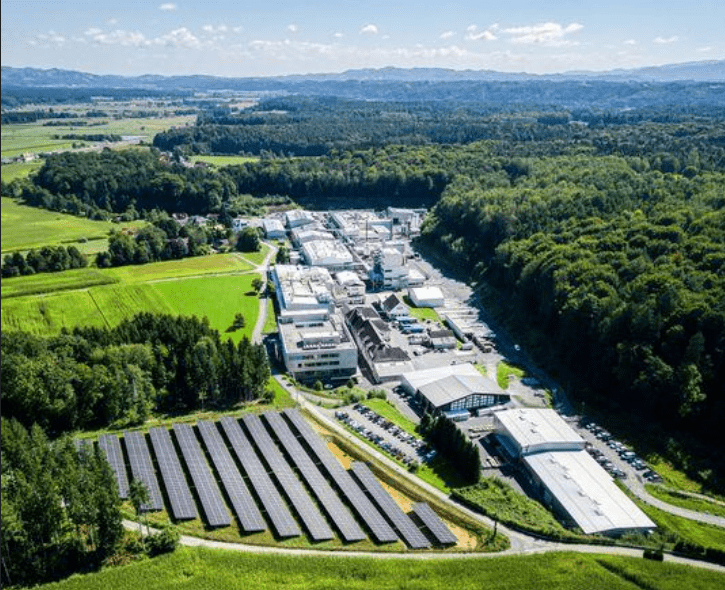
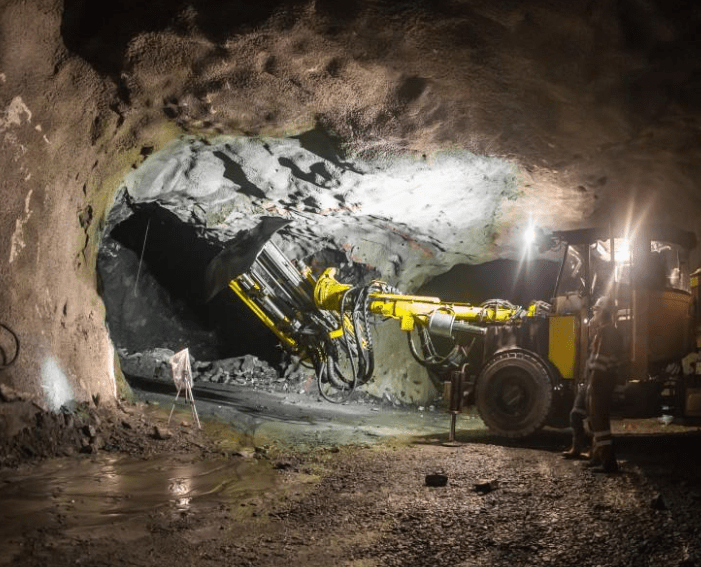
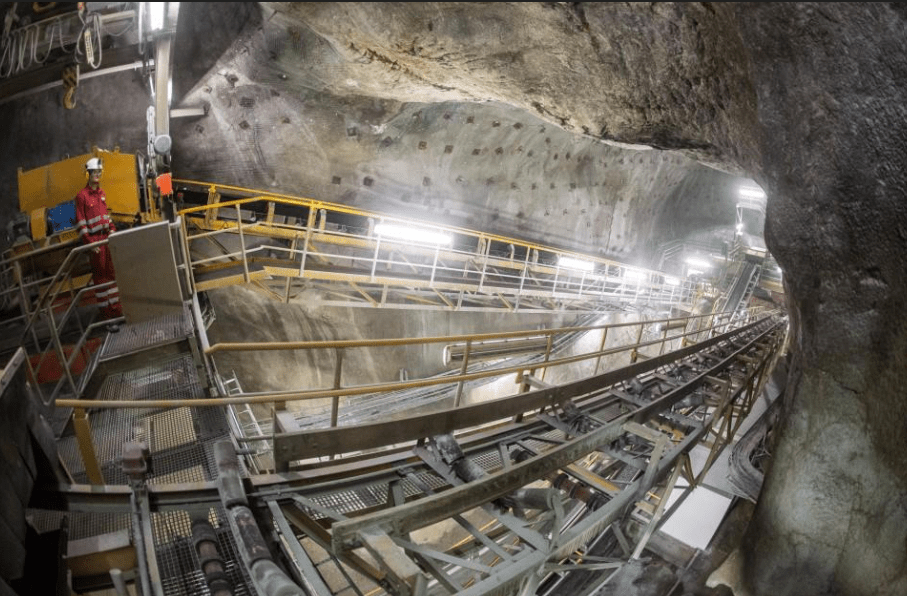
The **Mittersill Tungsten Mine**, located in Salzburg Province, Austria, is one of Europe's largest and highest-grade scheelite (CaWO₄) deposits and is operated by Wolfram Bergbau und Hütten AG. The mine has been in operation since 1976 and produces tungsten concentrate from underground mining operations.
As the mine matured, declining ore grades, increasing mining depths, and rising processing costs prompted the company to investigate innovative technologies that could improve resource efficiency while maintaining profitability. To address these challenges, the mine introduced **X-Ray Transmission (XRT) sensor-based ore sorting** as a pre-concentration step ahead of conventional crushing, grinding, gravity separation, and flotation. The objective was to remove barren host rock before the energy-intensive beneficiation process, thereby increasing the grade of the feed entering the concentrator and reducing operating costs.
--- ## Challenges Before Ore Sorting
Like many mature mining operations, Mittersill faced several operational and economic challenges:
* Declining average tungsten grades.
* Increasing quantities of waste rock requiring processing.
* High electricity consumption in crushing and grinding.
* Rising wear on milling equipment.
* Increasing operating costs per tonne of concentrate produced.
* The need to improve resource utilisation without constructing additional processing capacity.
These factors reduced overall plant efficiency and increased the cost of recovering tungsten from lower-grade sections of the orebody.
--- ## Application of XRT Ore Sorting Technology
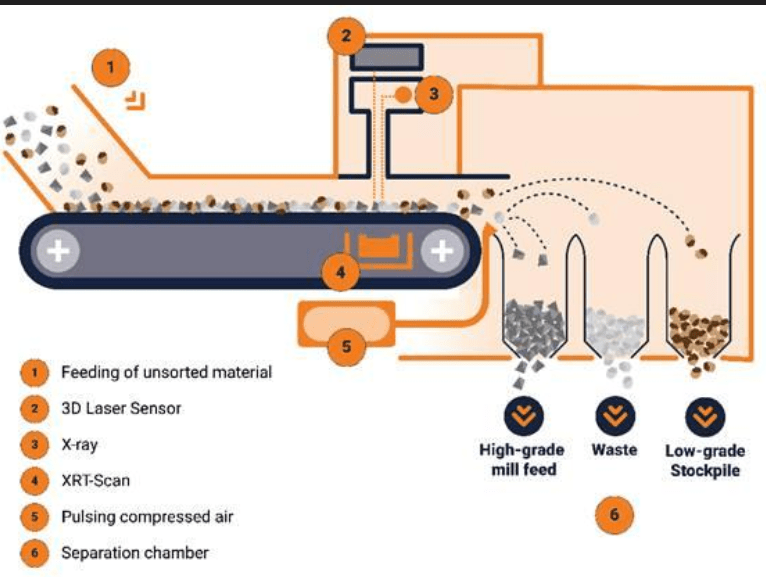
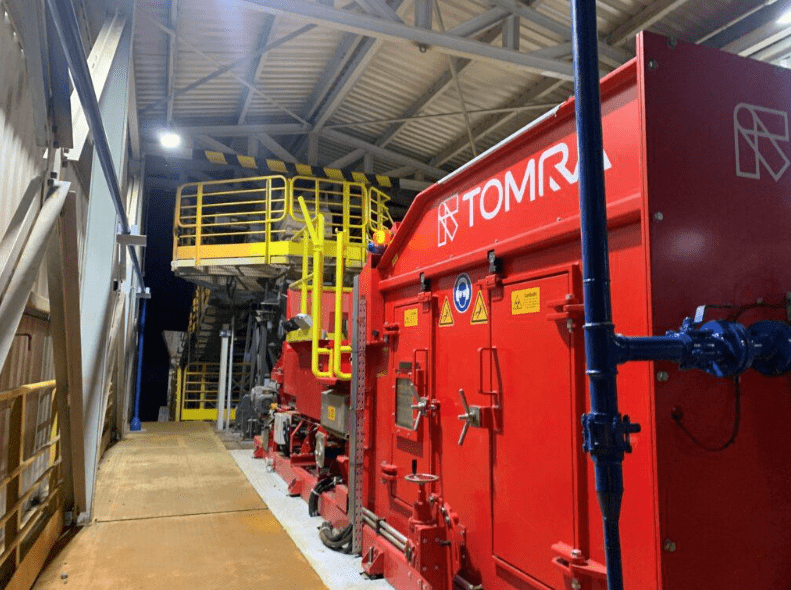
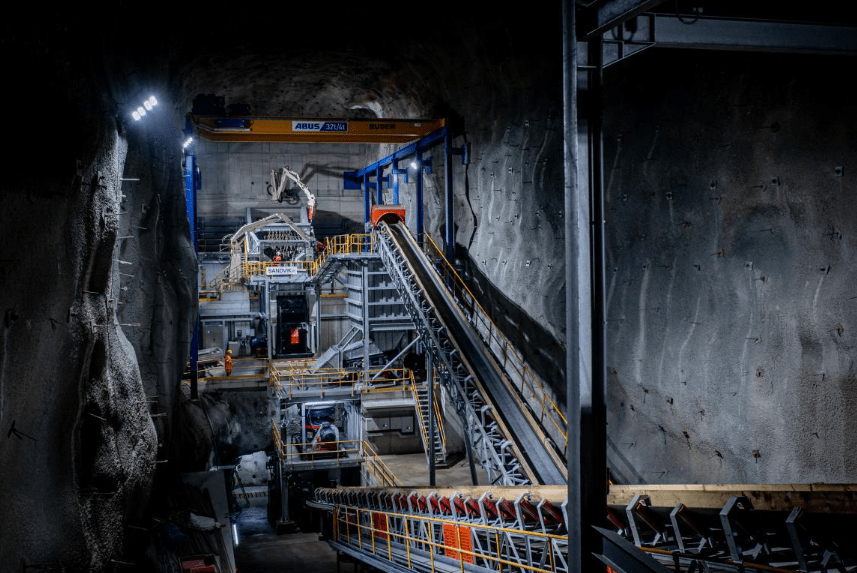
At Mittersill, run-of-mine ore is first crushed to an appropriate particle size before being conveyed through an XRT sensor sorting system.
The XRT sensors measure differences in atomic density between **scheelite-bearing ore** and the surrounding quartz-rich or carbonate waste rock.
The sorting process consists of the following stages:
1. Underground ore is transported to the surface.
2. Primary and secondary crushing reduce the ore to the required particle size.
3. The crushed material is presented in a single layer on a high-speed conveyor.
4. XRT sensors scan every individual particle.
5. Advanced image-processing software classifies particles according to density.
6. High-speed compressed air jets eject waste particles.
7. The upgraded tungsten-rich ore proceeds to grinding, gravity concentration, and flotation. Because scheelite has a significantly higher density than the surrounding gangue minerals, XRT technology can distinguish valuable particles with high accuracy, making it particularly suitable for tungsten ore pre-concentration.
--- ## Economic Benefits Achieved
### 1. Increased Feed Grade
One of the most significant benefits was the increase in tungsten grade entering the concentrator. By rejecting barren rock before milling, the plant processed a higher-quality feed, improving the efficiency of downstream gravity and flotation circuits.
**Benefits included:**
* Higher tungsten concentration in plant feed.
* Reduced dilution.
* Improved plant stability.
* Increased concentrate production from the same processing capacity.
--- ### 2. Reduced Processing Costs Removing waste before grinding reduced the quantity of material requiring treatment through the most expensive parts of the process.
Economic benefits included:
* Lower electricity consumption.
* Reduced grinding media usage.
* Lower maintenance costs.
* Reduced reagent consumption.
* Lower overall operating cost per tonne of concentrate.
Because grinding is the largest consumer of energy in tungsten processing, even modest reductions in feed tonnage translated into significant operating savings.
--- ### 3. Higher Plant Throughput
By eliminating waste before milling, the grinding circuit could process more valuable ore without increasing installed capacity.
Operational improvements included:
* Higher effective plant capacity.
* Improved utilisation of existing equipment.
* Increased annual concentrate production.
* Reduced milling bottlenecks. Instead of investing in additional mills, the mine improved production through better feed quality.
--- ### 4. Improved Metal Recovery
Higher-grade feed resulted in improved performance of the gravity separation and flotation circuits.
Benefits included:
* Higher scheelite recovery.
* Improved concentrate grade.
* Reduced losses to tailings.
* More stable flotation performance.
The reduction in gangue minerals also improved the selectivity of the downstream separation processes.
--- ### 5. Lower Energy Consumption
One of the principal drivers for implementing ore sorting was reducing energy demand.
Economic advantages included:
* Lower power consumption in crushing and grinding.
* Reduced greenhouse gas emissions.
* Lower carbon footprint.
* Reduced equipment wear.
Because comminution represents a major proportion of operating costs, reducing the amount of material entering the mills generated significant long-term savings.
--- ### 6. Increased Resource Utilisation
Ore sorting enabled the mine to economically process material that previously may have been regarded as sub-economic.
Benefits included:
* Lower cut-off grades.
* Increased mineral reserves.
* Recovery of value from lower-grade stopes.
* Improved long-term mine planning.
This allowed Wolfram Bergbau und Hütten AG to maximise extraction from the existing orebody.
--- ### 7. Improved Sustainability
Sensor-based sorting also delivered important environmental benefits by reducing the amount of material requiring downstream processing.
These included:
* Lower water consumption.
* Reduced reagent use.
* Smaller tailings volumes.
* Reduced energy intensity.
* Lower greenhouse gas emissions.
These improvements supported the company's sustainability objectives while reducing operating costs.
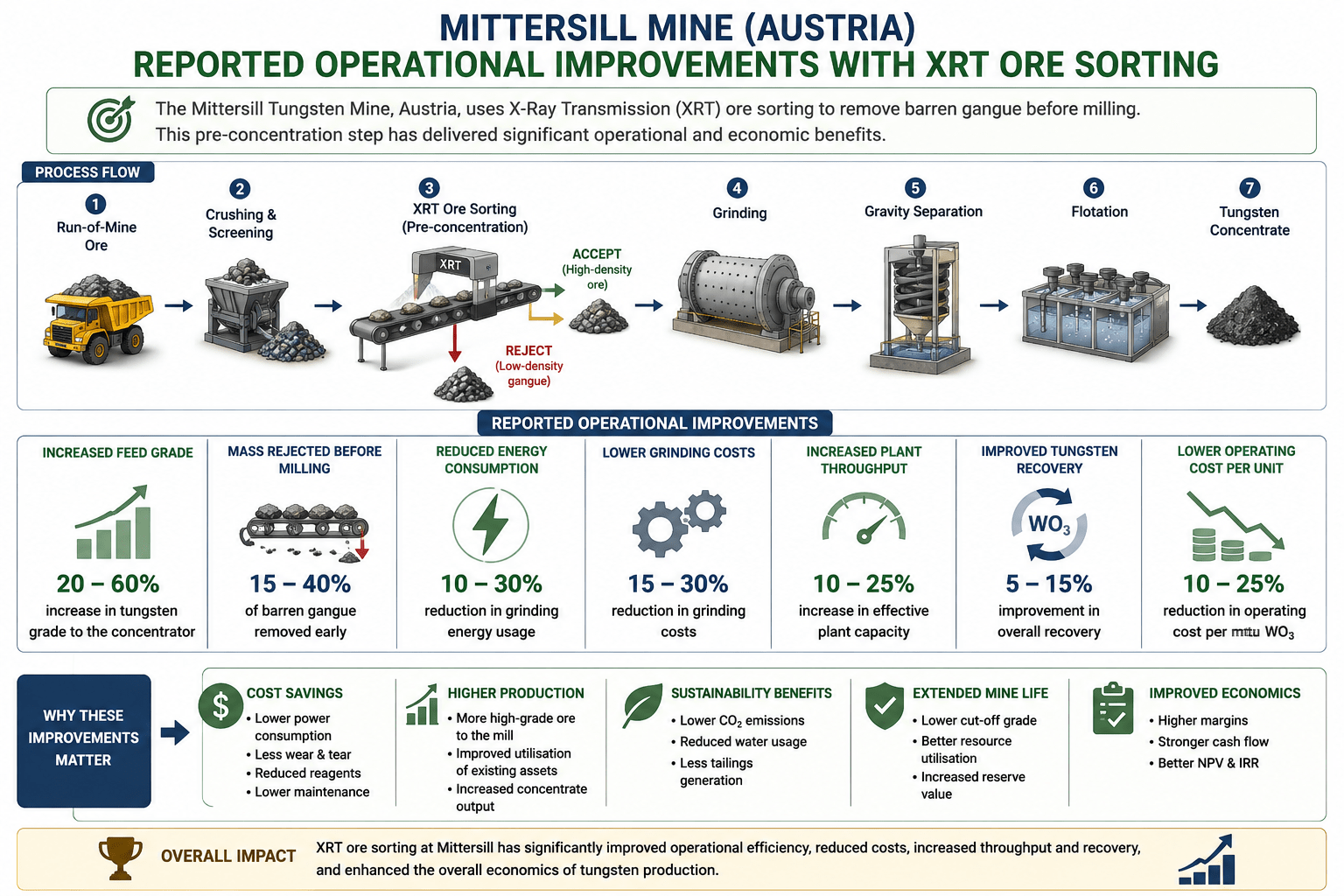
--- ## Reported Operational Improvements
Although operating results vary depending on the ore type and mining area, published studies on the Mittersill operation and similar tungsten applications have demonstrated:
--- ## Why XRT Was Ideal for Scheelite Ore
The success of XRT at Mittersill is largely due to the physical properties of scheelite:
* **High atomic density:** Scheelite has a much higher density than the surrounding quartz and carbonate gangue, allowing clear differentiation by XRT.
* **Strong density contrast:** This makes classification more reliable than colour-based systems.
* **Early waste rejection:** Significant amounts of barren rock can be removed before fine grinding.
* **Reduced overgrinding:** Less unnecessary material enters the comminution circuit, improving efficiency.
These characteristics make scheelite deposits particularly well suited to XRT-based pre-concentration.
--- ## Key Lessons for the Mining Industry
The Mittersill Mine demonstrates that sensor-based ore sorting can be successfully integrated into an existing mineral processing plant to improve both operational efficiency and economic performance.
Key lessons include:
* Sensor-based sorting can increase feed grade without increasing mining rates.
* Rejecting waste before comminution reduces one of the largest operating costs in mineral processing.
* Brownfield operations can often expand effective production capacity without major capital expenditure.
* Ore sorting can lower cut-off grades, allowing profitable extraction of material previously considered uneconomic.
* Environmental performance improves through lower energy use, reduced water consumption, and smaller tailings volumes.
--- ## Conclusion
The Mittersill Tungsten Mine is an excellent example of how X-Ray Transmission (XRT) ore sorting can transform the economics of a mature mining operation.
By selectively removing barren waste rock before grinding, the mine has improved feed grade, reduced energy consumption, lowered operating costs, increased plant throughput, and enhanced overall tungsten recovery.
The project demonstrates that sensor-based ore sorting is not only a valuable tool for improving profitability but also a practical solution for extending mine life and supporting more sustainable mineral processing. Mittersill continues to serve as a benchmark for the application of XRT technology in tungsten beneficiation and provides a model for other operations seeking to unlock value from lower-grade or more complex ore bodies.
Boungou Mine (Burkina Faso) Case Study: Impact of Sensor-Based Ore Sorting on Project Economics
# Boungou Mine (Burkina Faso) Case Study: Impact of Sensor-Based Ore Sorting on Project Economics
## Background
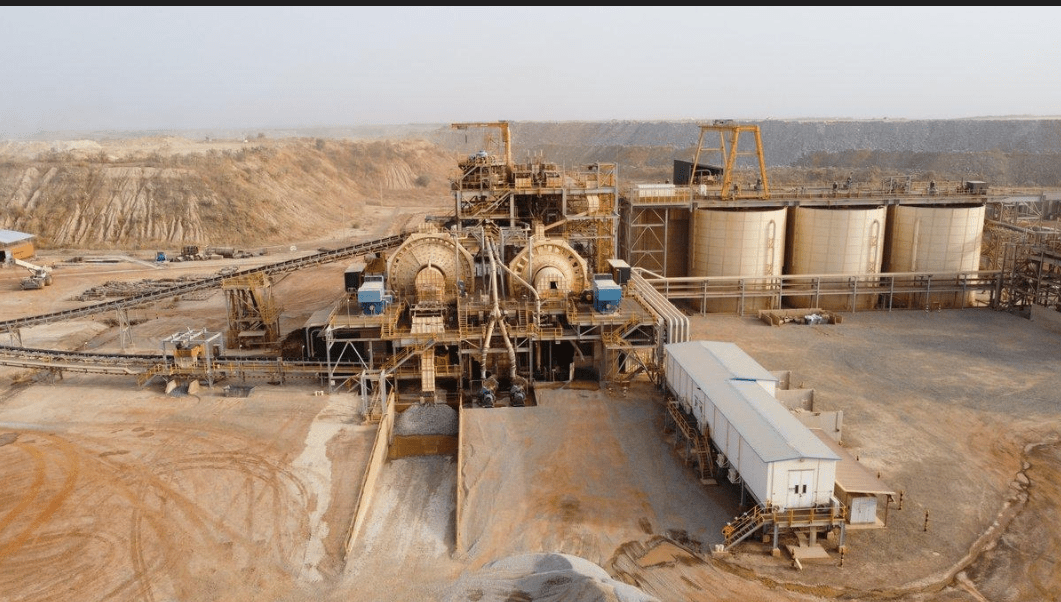
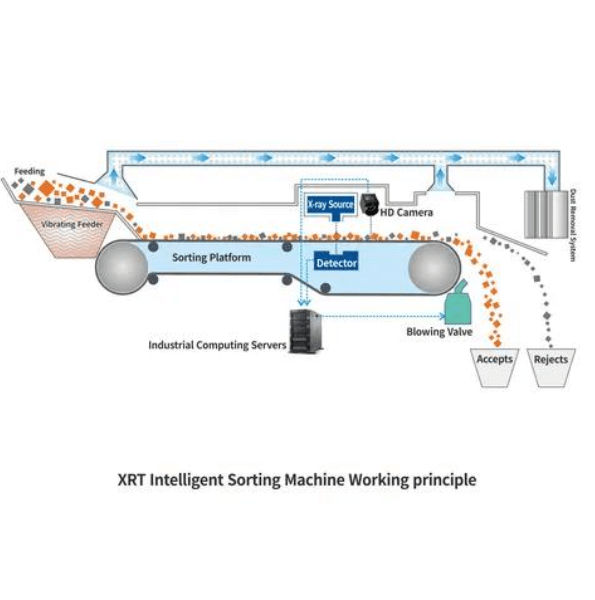
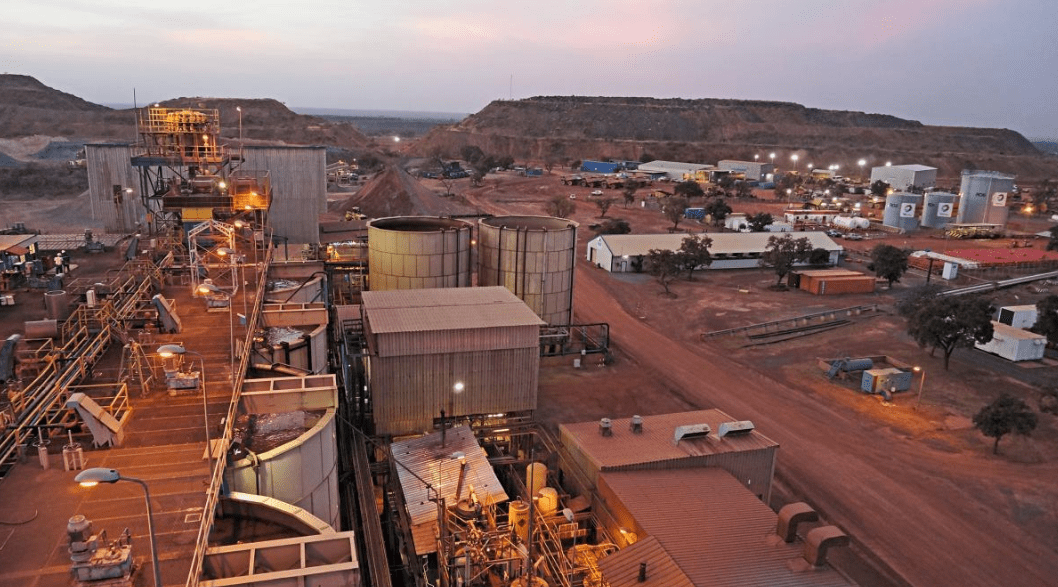
The **Boungou Gold Mine**, located in eastern Burkina Faso, is an open-pit gold mining operation currently owned and operated by Endeavour Mining. The mine commenced commercial production in 2018 and is recognised as one of West Africa's high-grade gold operations. Like many modern gold mines, Boungou has faced the challenge of maintaining profitability as mining progresses into areas with greater grade variability and increasing proportions of waste rock. To evaluate opportunities for improving processing efficiency and reducing operating costs, Boungou has undertaken ore characterization and pre-concentration studies that included **sensor-based ore sorting technologies**, particularly **X-Ray Transmission (XRT)** and **optical sorting**. These studies assessed whether barren or low-grade waste could be rejected before milling while maintaining high gold recovery. Although ore sorting has been evaluated and tested, it has **not been publicly reported as a fully implemented commercial processing stage** at Boungou. The case therefore illustrates the **economic potential demonstrated through test work and feasibility evaluations**, rather than a completed plant-wide deployment.
--- ## The Challenge
Gold processing plants typically treat every tonne of mined ore through crushing, grinding, gravity recovery, and leaching regardless of its gold content.
At Boungou, this presented several economic challenges:
* Variable ore grades throughout the deposit.
* High energy consumption during crushing and milling.
* Significant processing costs associated with low-grade material.
* Limited milling capacity.
* Increasing operating costs as lower-grade zones are mined.
Processing waste rock alongside valuable ore reduces plant efficiency and increases the cost per ounce of gold produced.
--- ## Application of Sensor-Based Ore Sorting
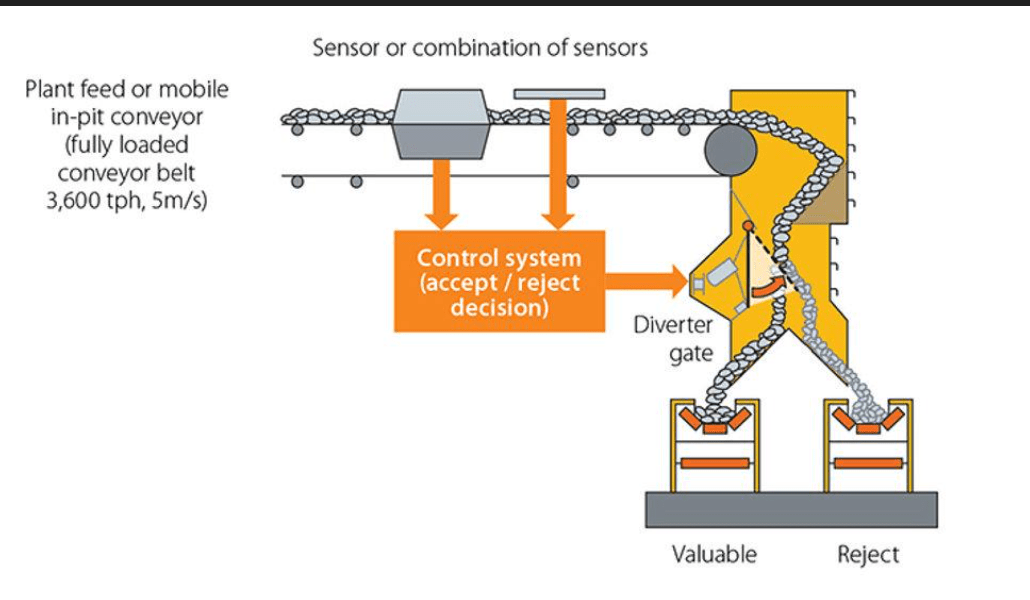
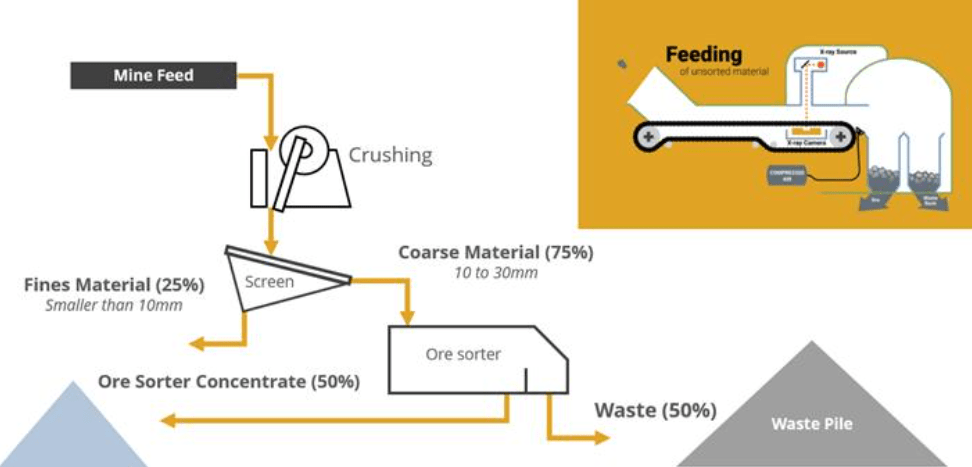
The ore sorting concept evaluated for Boungou involved introducing a pre-concentration stage immediately after primary crushing.
The proposed process consisted of:
1. Run-of-mine ore transported to the crusher.
2. Primary crushing to produce suitable particle sizes.
3. Single-layer presentation of ore on a conveyor.
4. XRT and/or optical sensors scanning each individual rock.
5. Real-time classification of particles as economic ore or waste.
6. High-speed air jets rejecting barren material.
7. Upgraded ore reporting to grinding and cyanide leaching. The objective was to reject low-grade waste before the most energy-intensive processing stages while maintaining the majority of the contained gold.
--- ## Expected Economic Benefits
### 1. Reduced Processing Costs The primary economic advantage identified was reducing the amount of material entering the comminution circuit.
Potential savings include:
* Lower electricity consumption.
* Reduced grinding media usage.
* Lower maintenance costs.
* Reduced reagent consumption.
* Lower operating cost per tonne treated.
Since crushing and grinding account for a substantial proportion of total processing costs, rejecting waste before milling has the potential to generate significant cost savings.
--- ### 2. Increased Feed Grade
Sensor sorting can upgrade the ore before milling by removing barren host rock.
Potential benefits include:
* Higher head grade entering the processing plant.
* Improved gold recovery efficiency.
* More stable plant performance.
* Reduced variability in mill feed.
Higher feed grades generally translate into increased gold production for the same plant capacity.
--- ### 3. Increased Plant Throughput
Grinding circuits often limit overall production.
By removing waste before milling:
* Existing mills can process more valuable ore.
* Plant throughput increases without expanding installed capacity.
* Annual gold production can increase.
* Capital expenditure for additional milling capacity may be deferred.
--- ### 4. Lower Energy Consumption
Grinding is typically the largest consumer of electrical power in a gold processing plant.
By reducing mill feed tonnage:
* Electricity consumption decreases.
* Equipment wear is reduced.
* Greenhouse gas emissions decline.
* Operating costs are lowered.
This becomes increasingly valuable as electricity prices rise.
--- ### 5. Reduced Tailings Generation
Every tonne of waste rejected before processing is one tonne that does not become process tailings.
Economic advantages include:
* Lower tailings storage costs.
* Reduced pumping requirements.
* Lower water treatment costs.
* Reduced long-term environmental liabilities.
* Lower closure costs.
--- ### 6. Recovery of Marginal Ore
Ore sorting has the potential to lower the economic cut-off grade.
This enables:
* Processing of lower-grade stockpiles.
* Recovery of additional ounces.
* Increased mineral reserves.
* Extension of mine life.
Material previously considered uneconomic may become profitable after pre-concentration.
--- ## Illustrative Economic Impact
The economic mechanism can be summarized as:
**Mine Ore → Sensor-Based Sorting → Waste Rejection → Higher Feed Grade → Lower Processing Cost → Higher Profit per Ounce**
The overall value comes not from increasing the amount of gold in the ore, but from **reducing the cost of treating each ounce of gold recovered**.
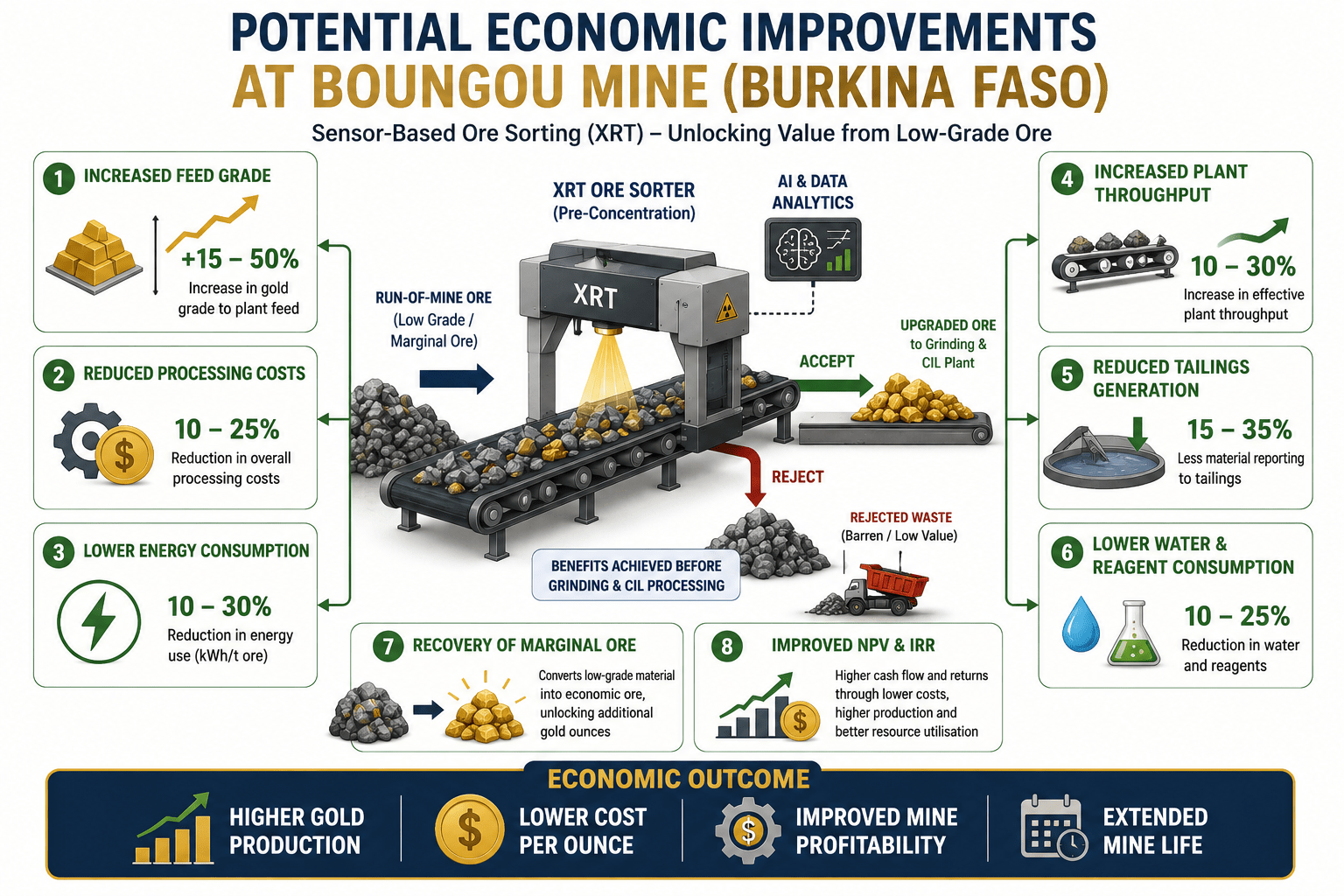
--- ## Potential Economic Improvements
Based on published ore sorting studies for gold operations with similar ore characteristics, the following improvements are commonly targeted:
--- ## Lessons for the Mining Industry
The Boungou evaluation demonstrates several important principles:
* Ore sorting offers the greatest benefit where there is a clear distinction between mineralised and barren rock.
* Pre-concentration can improve project economics without increasing mining rates.
* Brownfield operations may expand effective processing capacity without major capital investment.
* Lower operating costs can make lower-grade ore economically viable.
* Sensor-based sorting supports sustainability by reducing energy consumption, water use, and tailings generation.
--- ## Conclusion
The Boungou Mine illustrates how **sensor-based ore sorting can enhance the economics of a gold operation through pre-concentration**, even though a full commercial implementation has not been publicly documented.
Test work and engineering evaluations indicate that rejecting barren material before grinding could increase feed grade, reduce energy and reagent consumption, improve mill throughput, decrease tailings generation, and lower operating costs per ounce of gold produced.
The Boungou case highlights the importance of ore characterization and pilot testing in determining whether sensor-based sorting can unlock additional value from variable-grade gold deposits while supporting more efficient and sustainable mineral processing.
Australian Lithium Pegmatite Operations Case Study: Economic Impact of Sensor-Based Ore Sorting
# Australian Lithium Pegmatite Operations Case Study: Economic Impact of Sensor-Based Ore Sorting
## Background
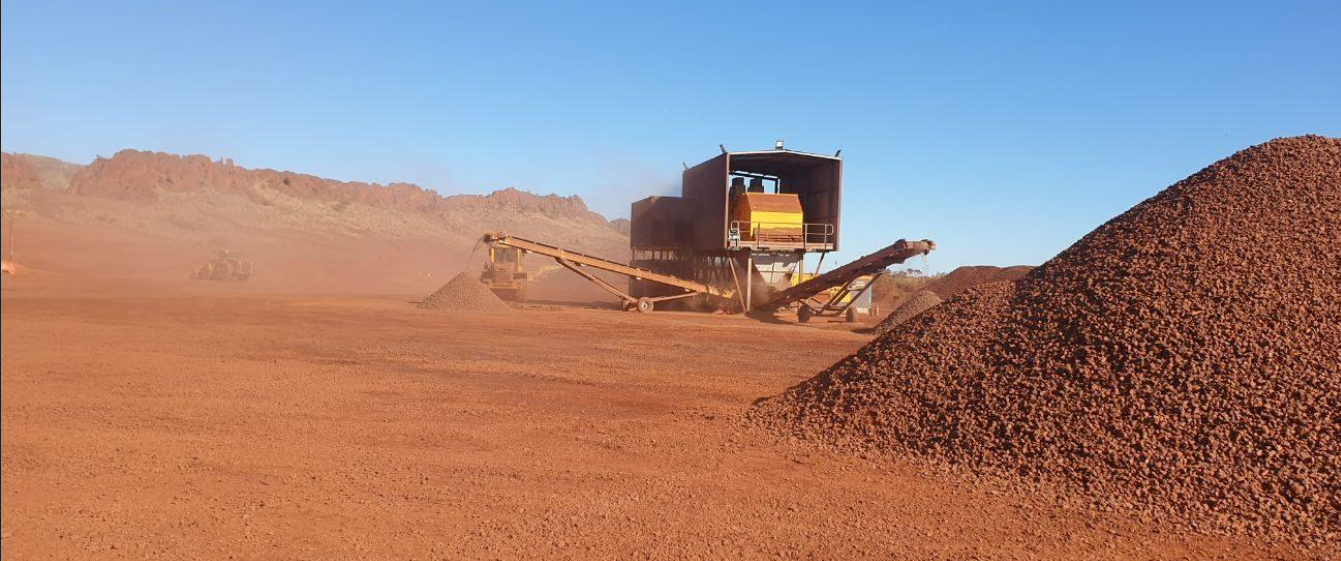
Australia is the world's largest producer of hard-rock lithium, with major spodumene-bearing pegmatite operations including the Greenbushes Mine, Pilgangoora Operation, Mt Cattlin Mine, and Mt Marion Mine. As demand for lithium has increased, producers have sought innovative technologies to improve processing efficiency, reduce operating costs, and maximise recovery from lower-grade pegmatite resources.
One of the most promising technologies evaluated and, in several operations, introduced through pilot and commercial-scale projects is **Near Infrared (NIR) sensor-based ore sorting**. Unlike metallic ores where density-based XRT sorting is often preferred, lithium pegmatites are particularly well suited to NIR because the valuable mineral **spodumene** has a distinct spectral signature that can be differentiated from gangue minerals such as quartz, feldspar, and mica. This allows waste rock to be rejected before grinding and flotation, substantially improving project economics.
--- ## The Challenge
Hard-rock lithium operations process enormous quantities of pegmatite to recover relatively small amounts of spodumene concentrate. Conventional processing routes require all mined material to pass through crushing, grinding, dense media separation (DMS), flotation, and dewatering, regardless of its lithium content.
This creates several economic challenges:
* Declining average ore grades.
* High electricity consumption during grinding.
* Increasing water requirements.
* Rising flotation reagent costs.
* Limited concentrator capacity.
* Large volumes of tailings.
Sensor-based ore sorting addresses these issues by removing barren pegmatite before it reaches the concentrator.
--- ## Application of NIR Ore Sorting Technology
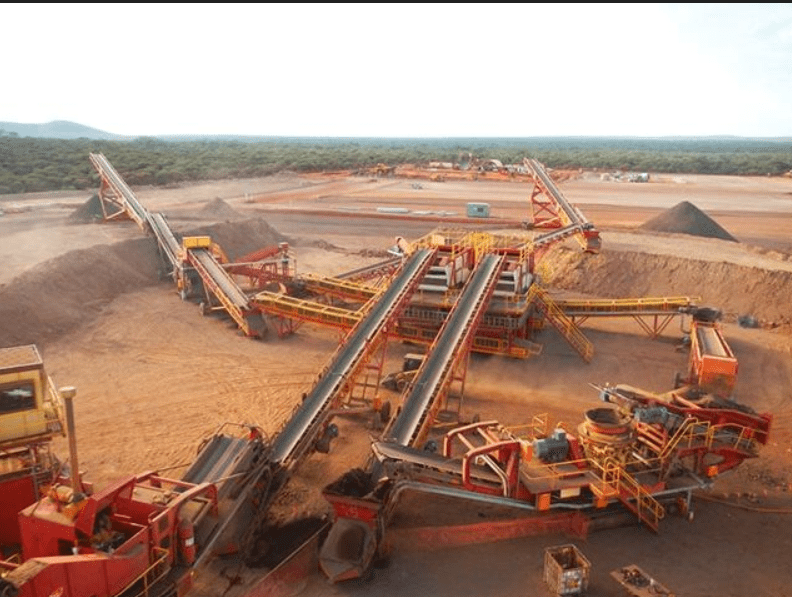
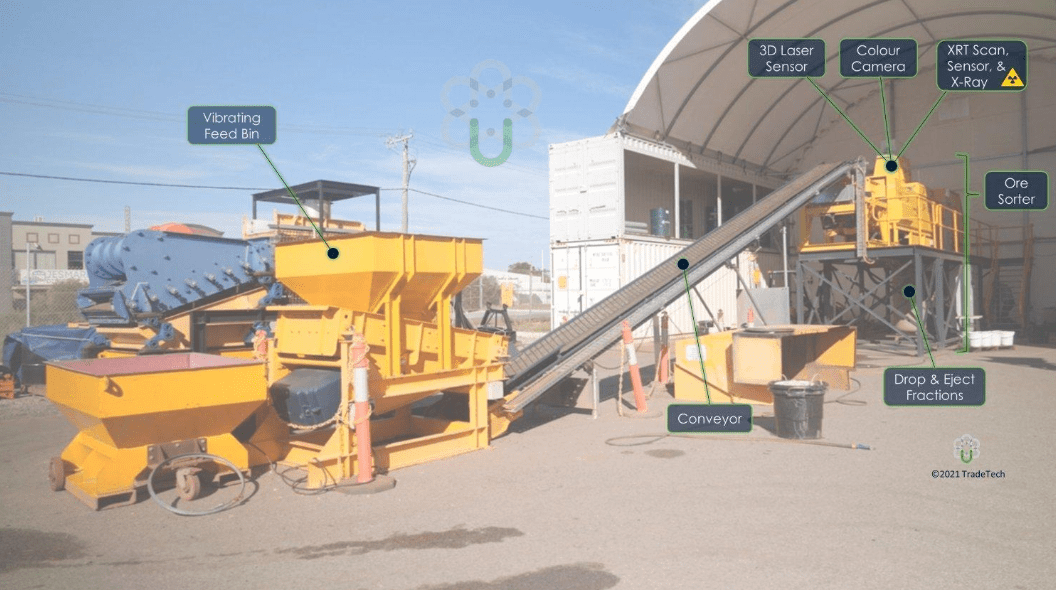
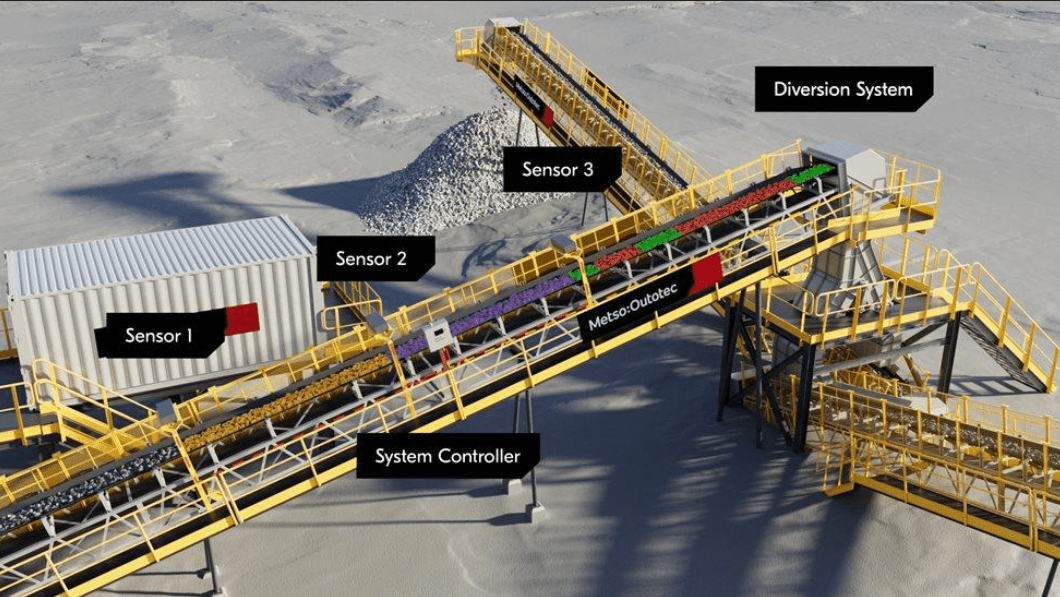
The ore sorting process begins after primary crushing. The process consists of:
1. Run-of-mine pegmatite is crushed to the required particle size.
2. Material is spread into a single layer on a high-speed conveyor.
3. Near Infrared (NIR) sensors scan each rock particle.
4. The spectral signature identifies spodumene-bearing particles.
5. Advanced software classifies particles as ore or waste.
6. High-speed compressed air jets reject barren quartz- and feldspar-rich particles.
7. The upgraded spodumene-rich ore proceeds to Dense Media Separation (DMS) and flotation. Because the sorting occurs before fine grinding, only valuable material enters the energy-intensive beneficiation circuit.
--- ## Why NIR Works for Lithium Pegmatites Spodumene possesses unique mineralogical characteristics that make it particularly suitable for Near Infrared analysis. The NIR sensors distinguish minerals based on their reflected infrared wavelengths.
The technology can differentiate:
* Spodumene
* Quartz
* Feldspar
* Muscovite
* Albite
* Other silicate minerals
This enables accurate pre-concentration without the use of chemicals or water.
--- ## Economic Benefits
### 1. Increased Feed Grade
The most significant economic benefit is upgrading the lithium content of the plant feed before beneficiation.
Benefits include:
* Higher Li₂O feed grade.
* Reduced dilution.
* Improved DMS efficiency.
* Higher flotation recovery.
* Increased concentrate production.
Typical pilot studies have demonstrated feed grade improvements of **20–50%**, depending on ore variability and the amount of barren pegmatite rejected.
--- ### 2. Reduced Processing Costs
Removing barren material before grinding significantly lowers operating expenditure.
Savings include:
* Reduced electricity consumption.
* Lower grinding media usage.
* Reduced flotation reagent consumption.
* Lower maintenance costs.
* Reduced labour costs.
Because grinding is among the largest cost components in lithium beneficiation, these savings have a major impact on operating margins.
--- ### 3. Increased Plant Throughput
Grinding circuits usually limit lithium concentrator capacity. After pre-concentration:
* Existing mills process more valuable ore.
* Annual spodumene production increases.
* Plant utilisation improves.
* Expansion capital can often be deferred. Rather than constructing additional mills, operators increase production by processing higher-grade feed.
--- ### 4. Lower Energy Consumption
Every tonne of barren pegmatite rejected before milling reduces electricity demand.
Benefits include:
* Lower power costs.
* Reduced greenhouse gas emissions.
* Reduced equipment wear.
* Improved sustainability.
These savings become increasingly important as electricity prices increase.
--- ### 5. Reduced Water Consumption Flotation circuits require substantial quantities of process water.
Sensor sorting reduces:
* Slurry volume.
* Water consumption.
* Pumping requirements.
* Water treatment costs.
This is particularly valuable in remote Australian mining regions where water is scarce.
--- ### 6. Reduced Tailings Generation
Waste rejected before processing never enters the flotation circuit.
Economic benefits include:
* Smaller tailings storage facilities.
* Lower pumping costs.
* Reduced rehabilitation costs.
* Lower environmental liabilities.
This contributes directly to lower life-of-mine operating costs.
--- ### 7. Recovery of Lower-Grade Resources
Perhaps the greatest economic benefit is the ability to process ore previously regarded as uneconomic.
Sensor sorting enables:
* Lower cut-off grades.
* Recovery of lower-grade pegmatites.
* Increased mineral reserves.
* Extended mine life.
Material that once became waste can become profitable after pre-concentration.
--- ## Industry Example
Australian lithium producers and technology providers, including **TOMRA Mining**, have conducted commercial and pilot-scale NIR sorting campaigns on spodumene ores from Western Australia.
Published studies have shown that NIR sorting can reject significant quantities of barren pegmatite while retaining most of the lithium-bearing spodumene.
Depending on ore characteristics, this has resulted in:
* Higher Li₂O grades entering DMS and flotation.
* Lower comminution energy per tonne of concentrate.
* Reduced reagent consumption.
* Improved concentrator productivity.
* Lower operating costs per tonne of lithium concentrate.
The magnitude of these benefits depends on the mineralogical contrast between spodumene and the surrounding gangue and the proportion of waste that can be rejected before beneficiation.
--- ## Typical Economic Improvements
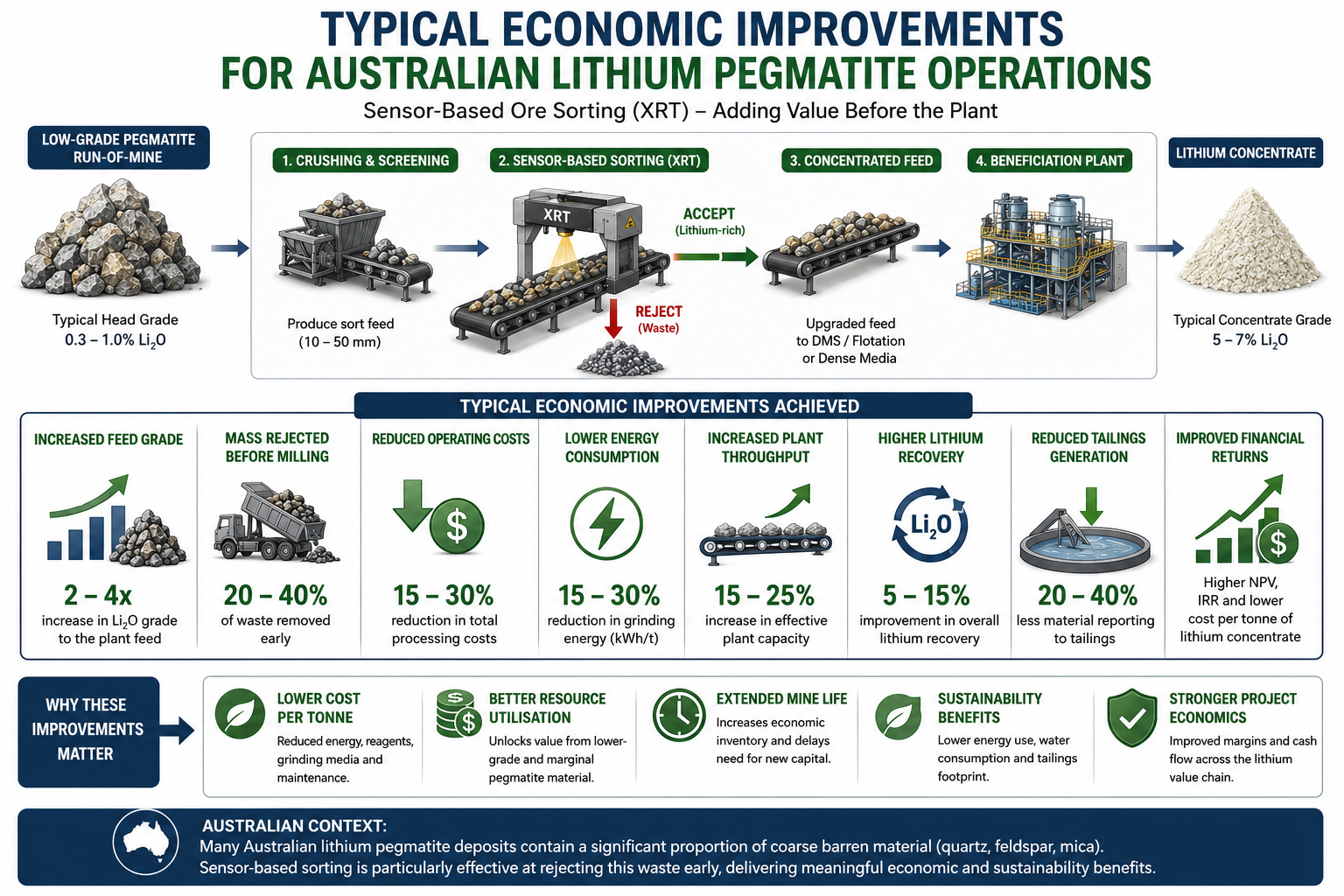
*The values above represent typical ranges reported in published pilot studies and technology evaluations; actual performance varies with ore mineralogy, particle size, and sorting efficiency.
* --- ## Lessons for the Lithium Industry
The Australian experience demonstrates that sensor-based ore sorting is becoming an important tool for improving lithium project economics.
Key lessons include:
* NIR technology is highly effective where spodumene can be clearly distinguished from gangue minerals.
* Early rejection of barren pegmatite reduces the cost of downstream processing.
* Existing concentrators can increase effective capacity without major capital investment.
* Lower operating costs improve the viability of lower-grade deposits.
* Reduced energy, water use, and tailings generation support ESG objectives while improving profitability.
--- ## Conclusion
Australian lithium pegmatite operations have demonstrated the strong economic potential of sensor-based ore sorting, particularly using Near Infrared (NIR) technology.
By selectively rejecting quartz-, feldspar-, and mica-rich waste before grinding and flotation, producers can increase Li₂O feed grade, reduce energy and water consumption, lower reagent use, minimise tailings production, and improve overall plant productivity.
As lithium demand continues to grow and ore grades become more variable, sensor-based ore sorting is expected to play an increasingly important role in enhancing the economic performance and sustainability of hard-rock lithium operations.